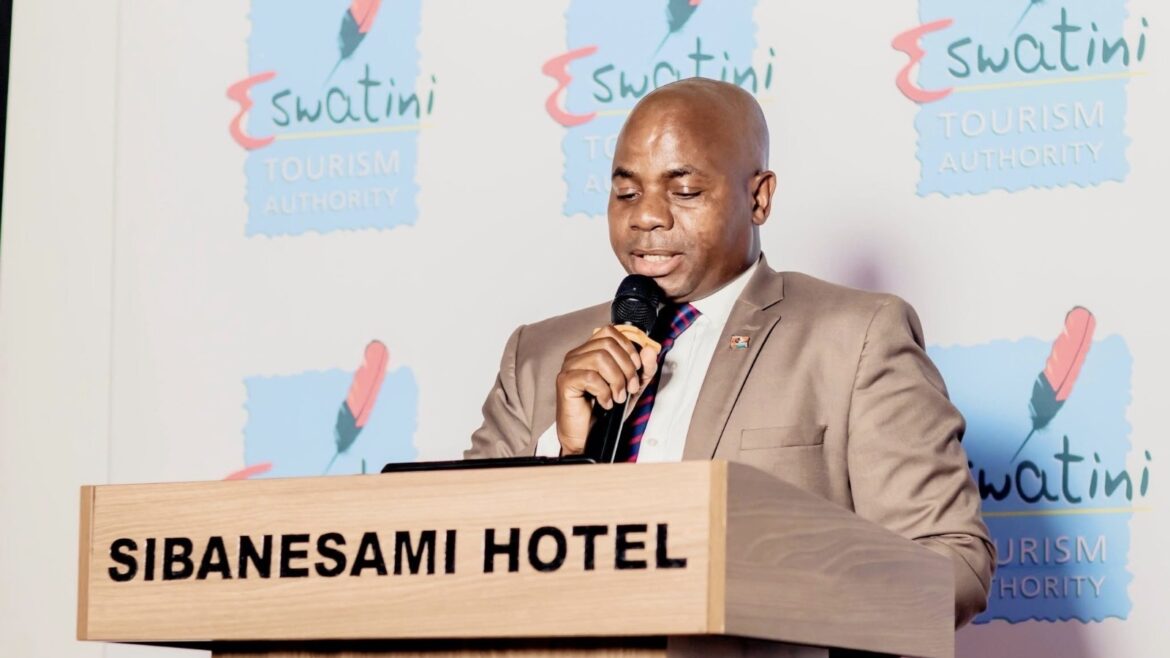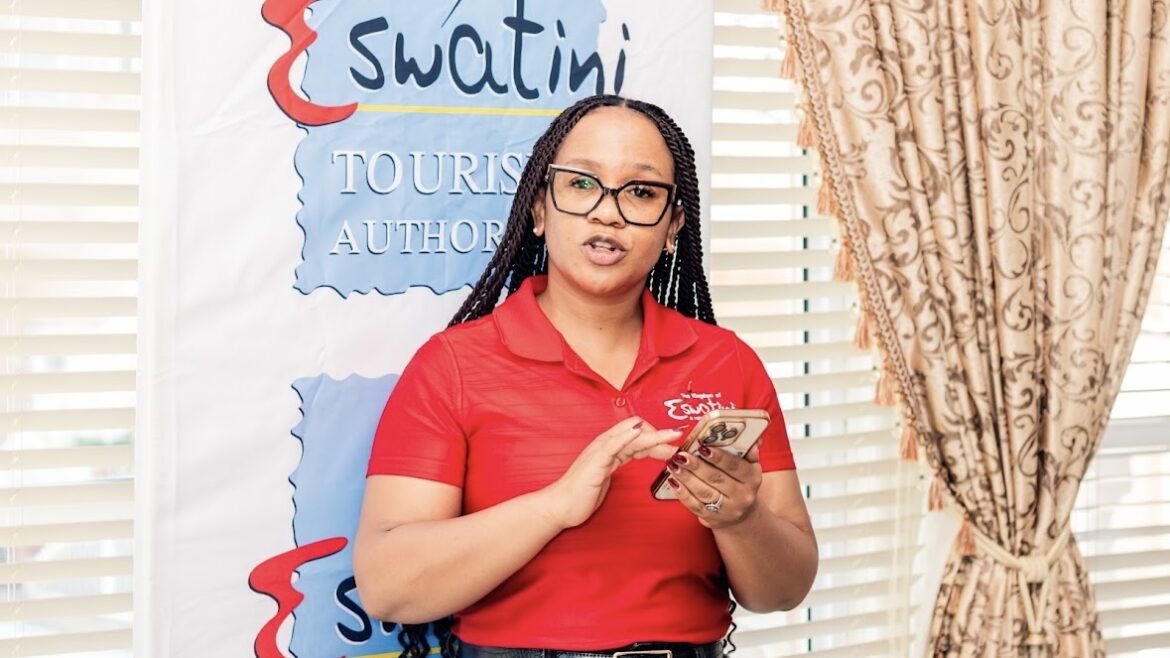


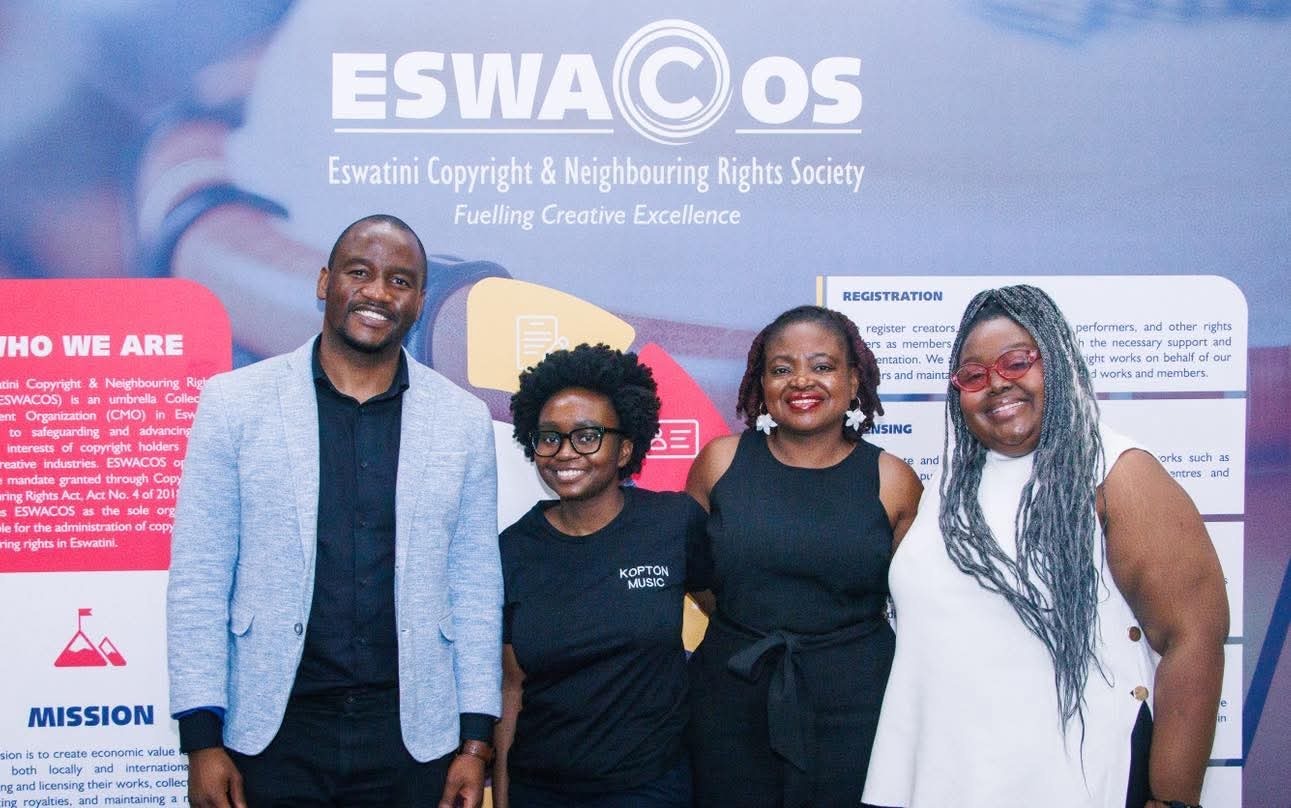

Creativity took on a distinctly business-focused meaning at the Eswatini International Trade Fair as writers, musicians and other creatives gathered for The Business of Creativity seminar hosted by the Eswatini Copyright and Neighbouring Rights Society (ESWACOS).
The seminar brought together Zimbabwean author and screenwriter Sue Nyathi and Nikilitha Mantungwa of Kopton Music, who addressed different aspects of the creative industry, from storytelling and screen adaptation to music licensing and publishing.
The discussions centred on a common message: being a creative is not only about producing work. Creative work is also a business, and understanding the commercial and rights-management side of that work is important for artists who want to build sustainable careers.
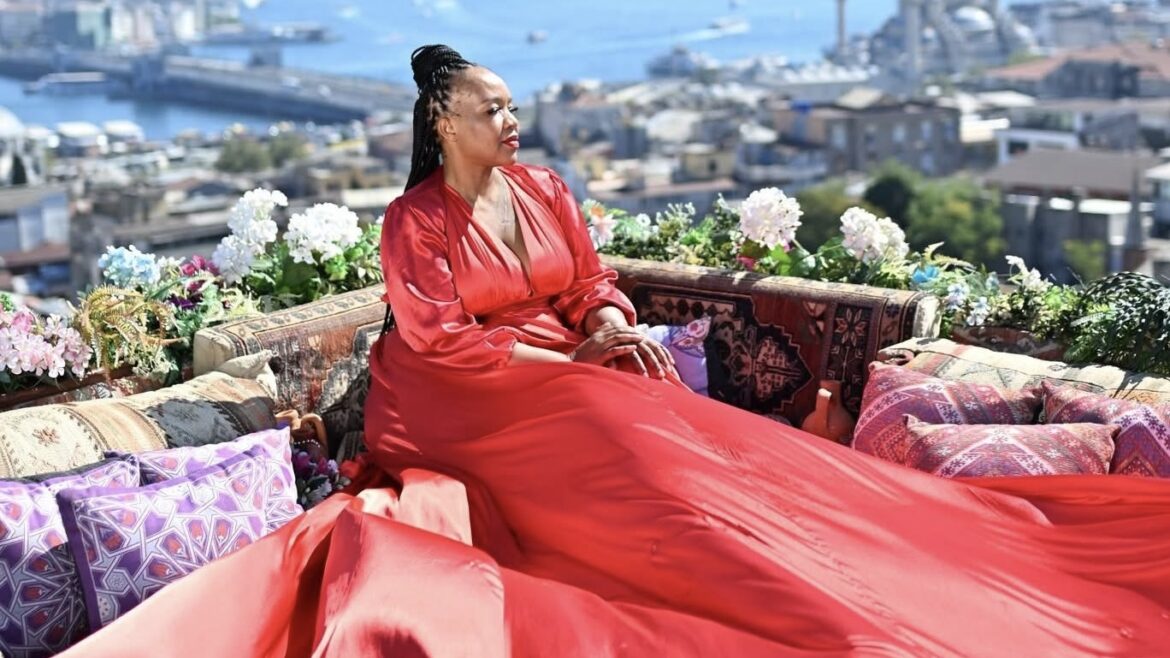
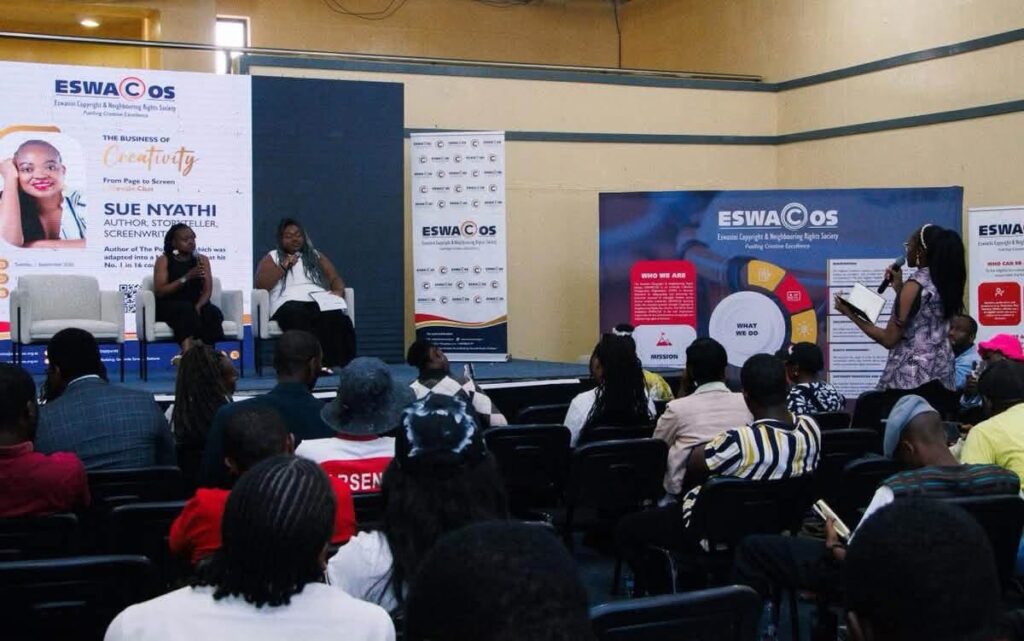
Nyathi, author of The Polygamist, which was adapted into a Netflix series, shared her journey from childhood storytelling to becoming an author, screenwriter and creative entrepreneur during a fireside chat titled ‘From Page to Screen’.
Making her first visit to Eswatini, Nyathi also attended the Umhlanga Reed Dance before taking part in the seminar. She described the Kingdom as peaceful and said she was looking forward to experiencing more of the country.
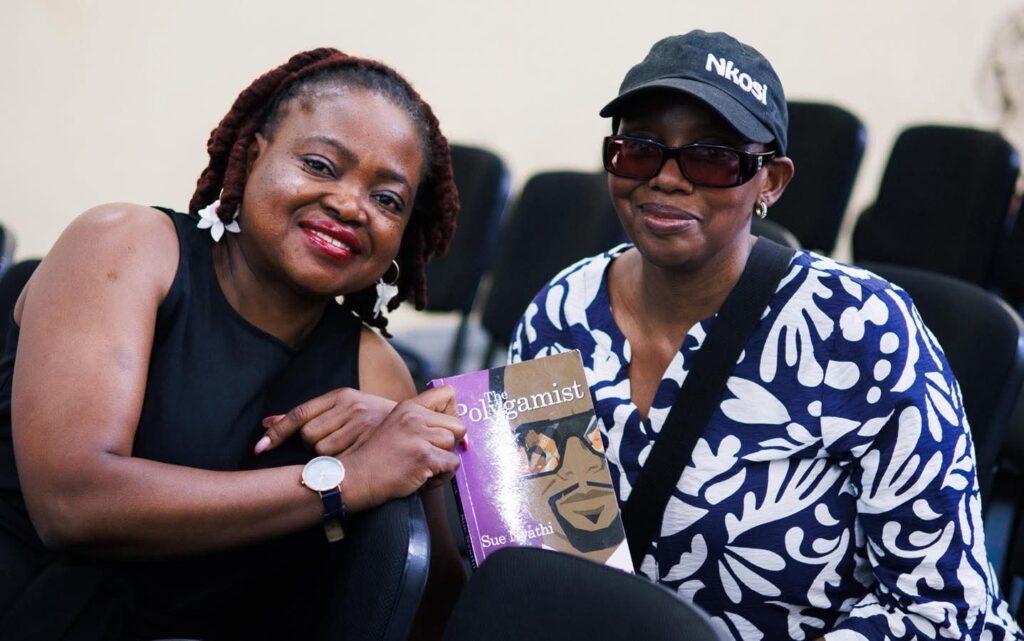
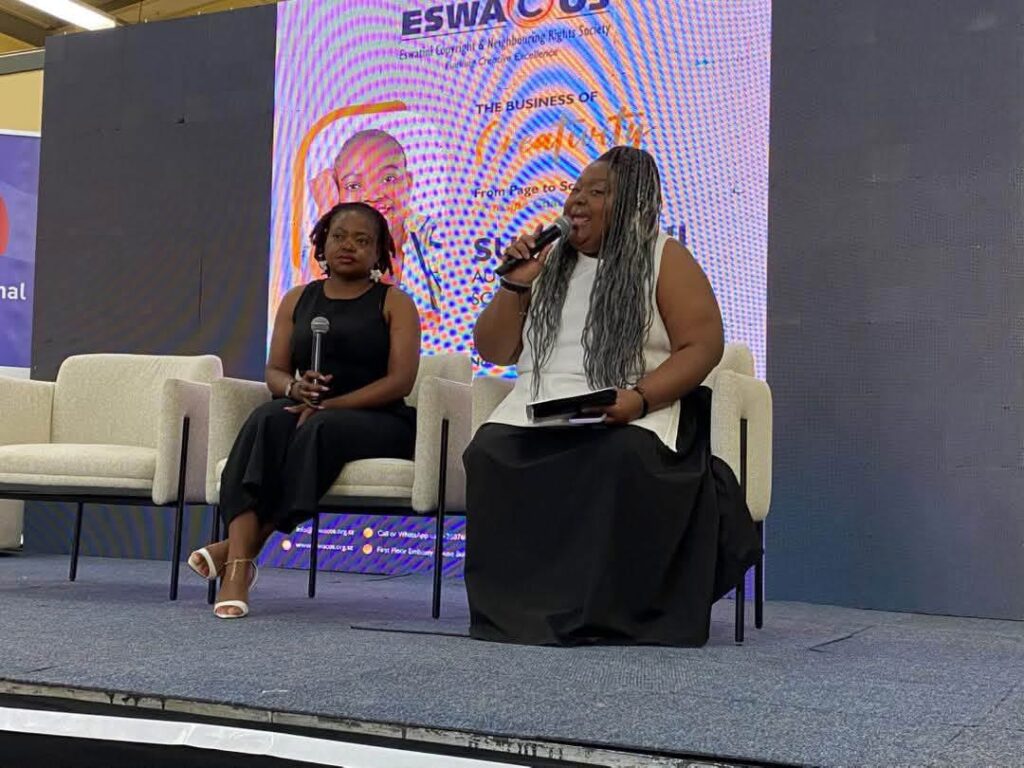
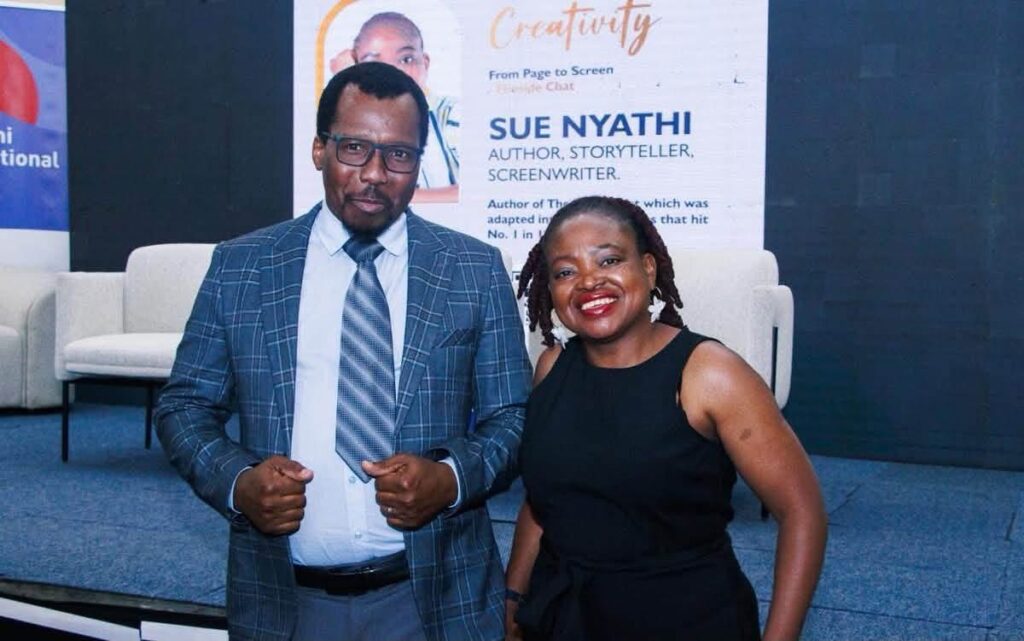
During her conversation, Nyathi traced her relationship with storytelling back to childhood. She recalled creating characters out of reeds when she was young, using orange thread as hair and turning the figures into characters with their own stories.
Her interest in writing developed as she grew older. By the age of 13, she said, she had already written her first movie, with her classmates becoming her first audience.
Her creative ambitions later took a different route when she pursued finance and investment after being encouraged by her parents to consider what they regarded as more conventional career choices. However, the financial knowledge she gained would eventually become useful in her creative career.
Reflecting on the relationship between creativity and business, Nyathi said everything has a business side. The same music does, so does writing.
Her experience demonstrated how skills outside the creative field can also contribute to the running and development of a creative career.
For Nyathi, understanding finance became part of understanding how creative work could be monetised and made sustainable.
The discussion also looked at the journey from a written story to a screen production, giving attendees an opportunity to consider the different stages involved in taking intellectual property beyond its original format.
While Nyathi focused on storytelling and adaptation, Mantungwa turned attention to the music industry and the importance of understanding rights.
Representing Kopton Music, Mantungwa led a session on Music Licensing and Publishing, where the business and rights-management side of music took centre stage.
The session explored the value of protecting, managing and commercialising musical works, with creatives and industry stakeholders engaging with the discussion around how music can generate value beyond its initial release.
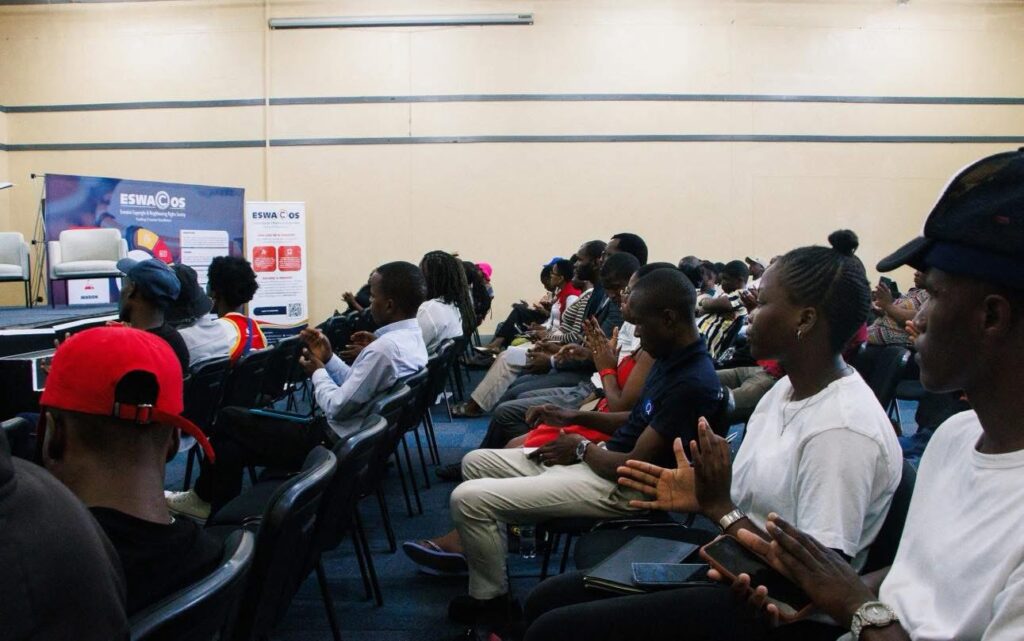
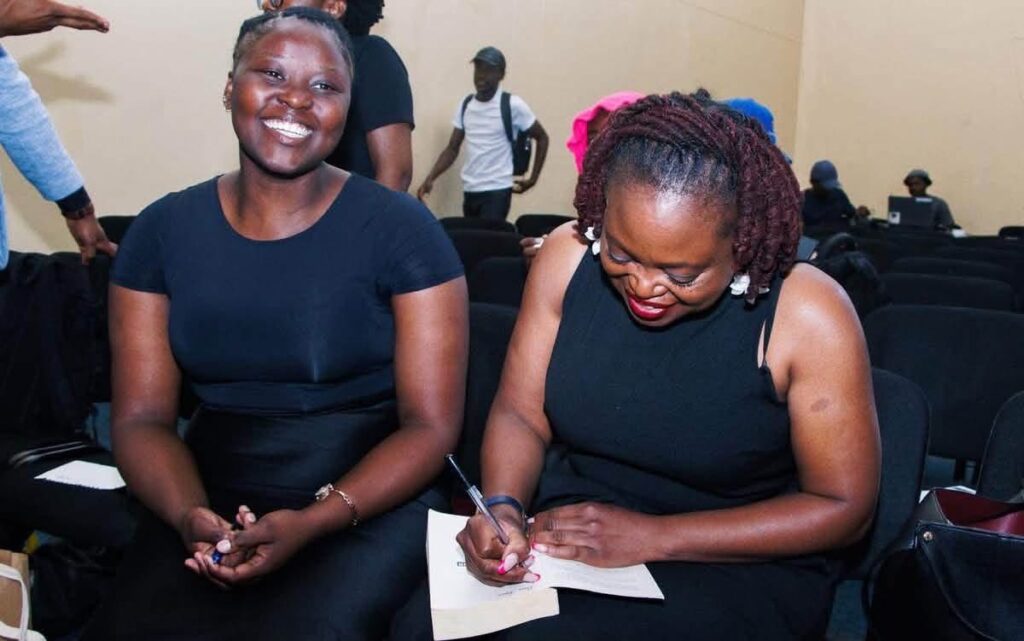
Licensing and publishing remain important components of the music business because they determine how creative works are used and how the people responsible for those works can benefit from their use.
For artists, the conversation placed emphasis on looking beyond performing and releasing music and understanding what happens to a song once it enters the market.
The presence of both Nyathi and Mantungwa gave the seminar two different perspectives on the creative economy, while arriving at a similar conclusion creative talent needs to be accompanied by business knowledge.
Among the artists attending the seminar were rappers Oriiginelle and Lyrikal Busta, who were part of the creatives engaging with the discussions.
Oriiginelle described the seminar as impactful, particularly because it encouraged artists to look at their work from a business perspective and to pay attention to the structures that can help them benefit from their creativity.
The discussions also reinforced the importance of intellectual property within the local creative sector.
Meanwhile ESWACOS Executive Officer Mmeli Hlanze encouraged artists to register their work, stressing the importance of having their creative output properly documented and protected.






The call for registration formed part of the wider message of the seminar, which encouraged creatives to take greater responsibility for the business side of their careers.
For emerging artists, writers, musicians and other creatives, registration and rights management can provide a foundation for establishing ownership and managing the use of their work.
The seminar therefore moved beyond the traditional understanding of creativity as simply the act of making something.
It examined what happens after the work has been created: who owns it, how it is protected, how it can be licensed, how it can be adapted and, ultimately, how the creator can earn from it.
Nyathi’s journey from creating characters with reeds to seeing her writing adapted for an international streaming audience provided one example of how creative work can move across platforms.
Mantungwa’s session offered a music industry perspective, highlighting the structures that allow songs and other musical works to be commercially managed.
For the artists in the room, the message was practical. Talent can open the door, but understanding the business attached to that talent can determine what happens after the door opens.
The Business of Creativity seminar formed part of the wider programme at the Eswatini International Trade Fair, bringing together creative practitioners and industry stakeholders for discussions aimed at strengthening the country’s creative economy
Sue Nyathi Plays Coy on Polygamist Season Two
Sue Nyathi has left fans wondering about the possibility of a second season of The Polygamist after giving a playful “I don’t know” when asked about the future of the hit series.
The Zimbabwean author was speaking during her visit to the Eswatini International Trade Fair, where she took part in The Business of Creativity seminar hosted by the Eswatini Copyright and Neighbouring Rights Society (ESWACOS).
When the question of The Polygamist Season Two came up, Nyathi responded with a cheeky “I don’t know” and a smile, offering no confirmation or denial about whether viewers could expect another instalment.
Her response, while far from an announcement, is likely to keep speculation alive among viewers of the series, which brought her work to a much wider audience.
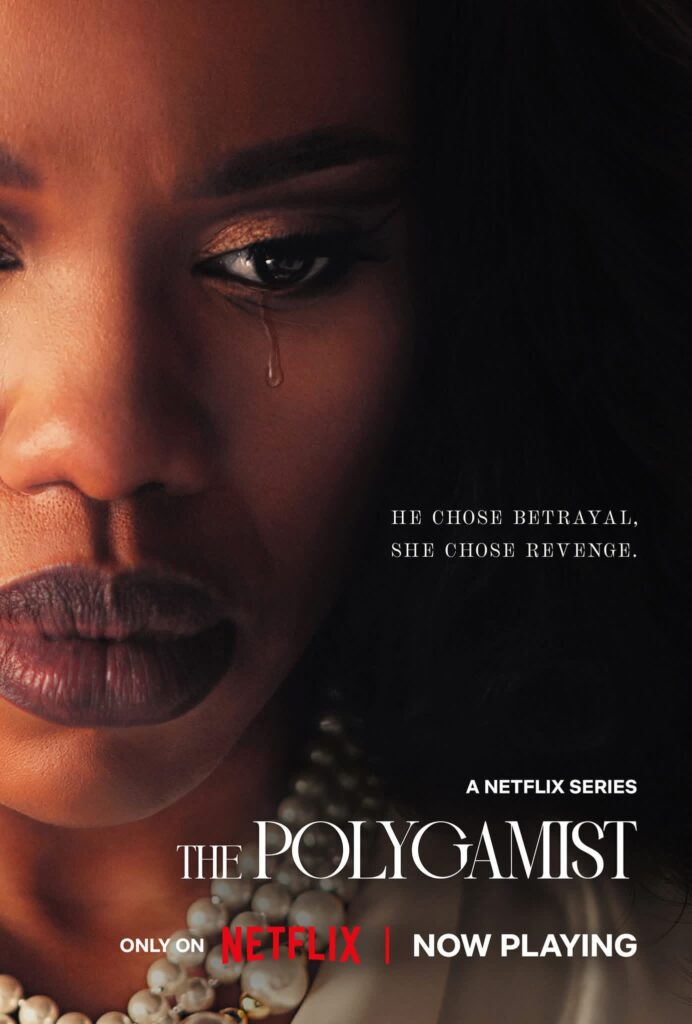
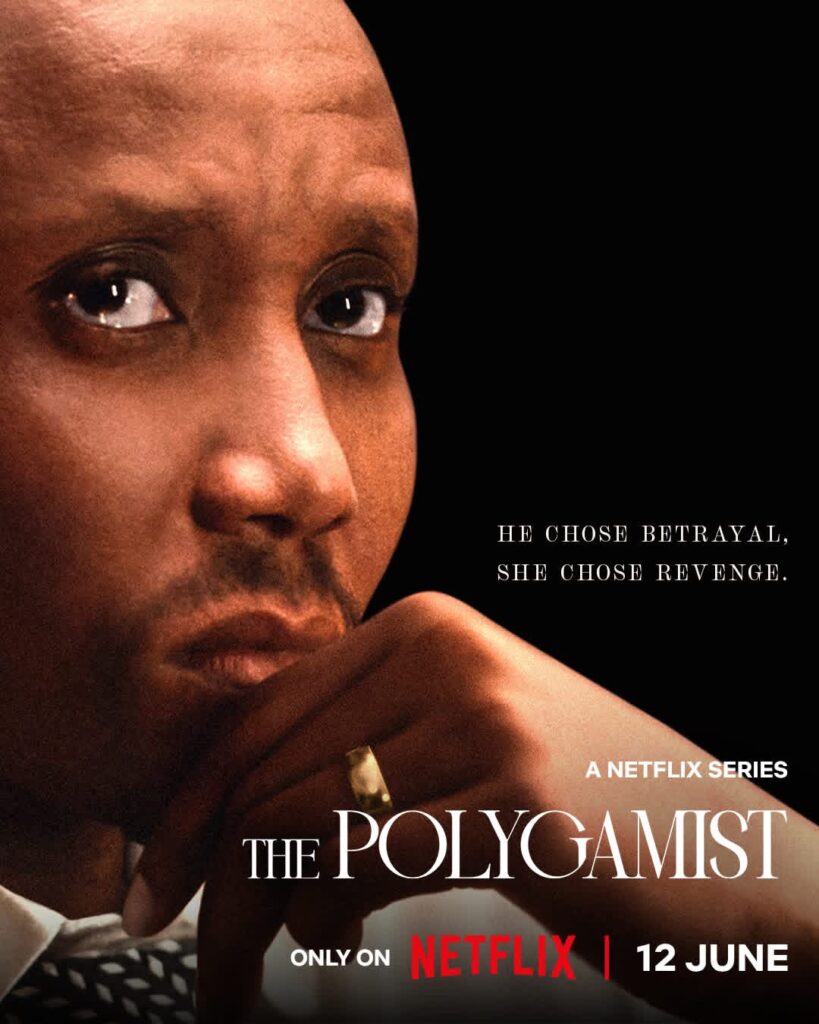
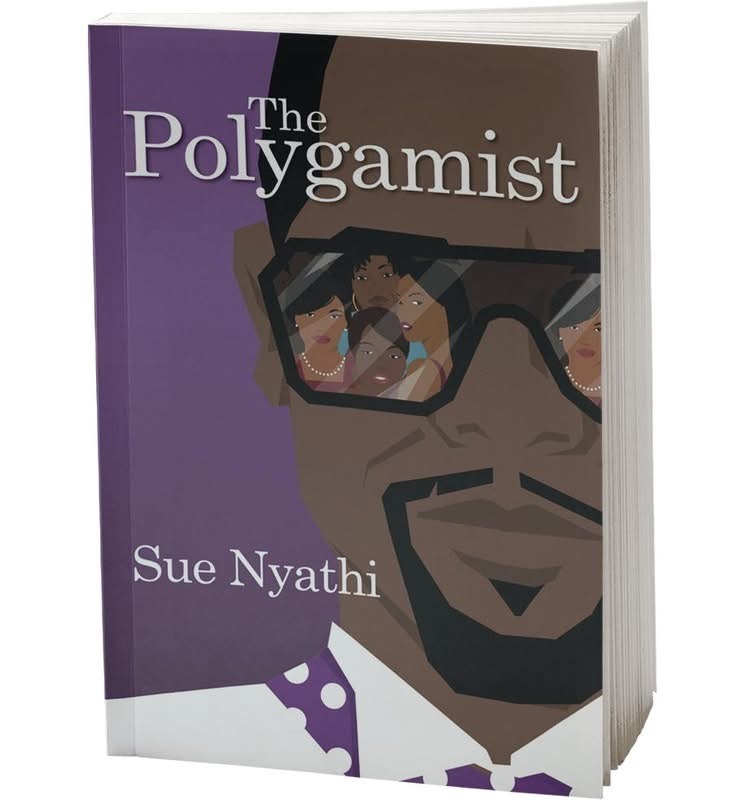
The Polygamist began as Nyathi’s novel, exploring relationships, marriage, infidelity and the complicated dynamics that can emerge when people are connected through one man.
The story was later adapted into a Netflix series, taking the characters and themes from the book into a visual format.
The series attracted attention beyond its original literary audience, introducing Nyathi’s storytelling to viewers who may not have encountered the book.
For Nyathi, the adaptation also became an example of how creative work can move from one platform to another, a subject she discussed during her ‘From Page to Screen’ fireside chat at the Trade Fair.
She spoke about her journey as a storyteller and the business considerations that come with turning creative ideas into sustainable work.
The reaction comes as The Polygamist continues to make an impact on Netflix, where the 22-episode South African drama
has become one of the platform’s biggest African successes.
Based on Nyathi’s 2012 novel of the same name, the series follows wealthy businessman Jonasi Gomora, whose carefully constructed personal and professional life begins to unravel as his relationships with his wife, mistresses and other women are exposed.
At the centre of the story is Joyce Gomora, his wife, whose seemingly perfect life is thrown into turmoil by her husband’s betrayals.
The story explores marriage, infidelity, power, family and the consequences of keeping secrets, while presenting the complicated relationships through the lives of the women caught up in Jonasi’s world.
The Netflix adaptation premiered on June 12, 2026, and quickly became a global success. According to Netflix, the series reached number one in 21 countries and entered the Top 10 in 62 countries.
It has also recorded 27.6 million views and spent seven consecutive weeks on Netflix’s Global Top 10 Non-English Shows list, the longest run for a South African Netflix title.
The success has also sent audiences back to the source material. Netflix reported that sales of Nyathi’s book tripled following the series’ debut, more than a decade after the novel was first published. The book also reached number one on Exclusive Books’ Top 10 Bestsellers list in South Africa.
For now, whether The Polygamist will return remains unanswered. But Nyathi’s playful response has certainly given fans something to talk about.