




Award-winning Eswatini musician Sandziso ‘Sands’ Matsebulahas secured a significant legal victory in a dispute over the master recordings of his debut album, ‘Sands of Time’, following a High Court judgment that dismissed an application by Icon PB Music (Pty) Ltd.
The judgment, issued on November 6, found that Icon PB had failed to establish a legal basis for its claim to ownership of the album’s master recordings, bringing an important chapter in the musician’s long-running dispute over his music to a close.
For Sands, the outcome goes beyond the legal proceedings. In a statement following the judgment, the musician described the emotional and professional weight of having his music’s ownership challenged, explaining how the dispute affected his ability to benefit from work into which he had invested years of dedication.
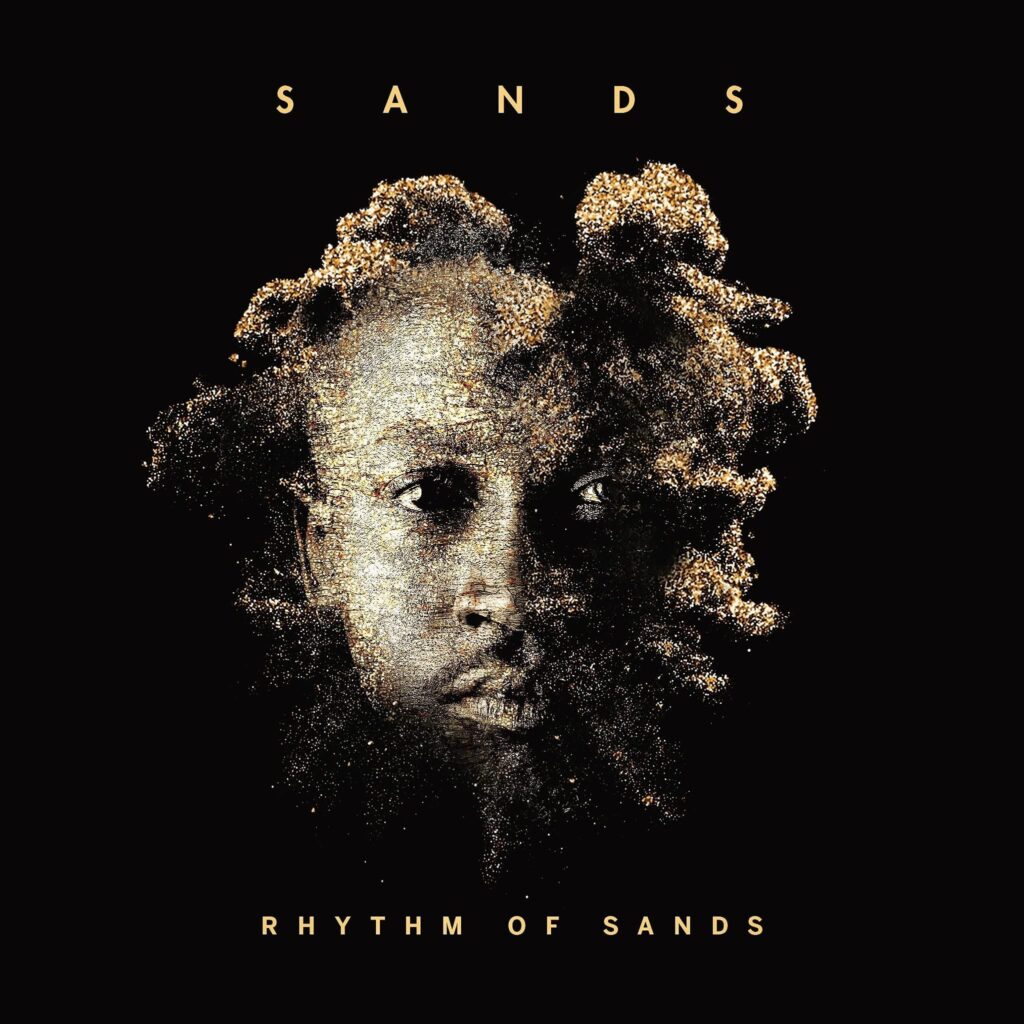
He likened his music to children, describing every song, melody, harmony and lyric as something an artist brings into the world through personal investment and creativity.
“When Icon PB and its Director Phila Koshin laid claim to ‘Sands of Time’, an album that I had invested all my heart, funds, devotion, blood and sweat into, everything stopped. Including the world,” he wrote.
The musician said the situation affected various aspects of his career, including his benefits from his work, creativity, confidence, and peace of mind.
However, following the court’s decision, Sands described the outcome as a victory that extends beyond his personal circumstances.
“This is not a victory for me, or a victory against Icon PB. It is a victory for every Eswatini artist. It is a victory for anyone who has ever had what they rightfully owned stolen from them,” he said.
The case arose from a working relationship between Sands and Phila ‘Koshin’ Dlamini, who owned Icon PB Music. The two reportedly met through a mutual contact in 2015, when Sands was seeking to expand his music career into South Africa and Dlamini was working as a sound engineer at a radio station in KwaZulu-Natal.



Dlamini subsequently became involved in managing and promoting the musician. Icon PB registered in the same year, and later became involved in developing and releasing Sands’ debut album, ‘Sands of Time’, in 2017.
Icon PB maintained that it had financed and managed the recording of the album and was therefore entitled to ownership of the master recordings.
The company argued that the arrangement with Sands required it to retain the master recordings and associated music rights in exchange for financing studio sessions, promotions, distribution, and introducing the musician to the South African music industry.
Sands disputed this position, maintaining that the initial arrangement was primarily a management agreement. According to his submissions, Dlamini was to receive 30% of proceeds from performances and tours after expenses, while he would retain 70%.
The musician also maintained that he had never signed an agreement transferring ownership of his music to Icon PB.
In its assessment, the High Court found that the company had not produced a written agreement signed by both parties that established a lawful transfer of the copyright in question.
The court noted that an agreement had been presented to Sands for signing, but he had raised concerns about its terms and declined to sign it. Even a revised version was not signed.
The judgment further established that financial contributions towards the recording of an album do not, on their own, establish ownership of its master recordings.
The court considered the Copyright Act of 1912, which governs the relevant transactions, and noted that an assignment of copyright must be made in writing and signed by the copyright owner or an authorised agent.
Without the required written agreement, Icon PB could not establish its claim to ownership of the recordings.
The proceedings also brought attention to the various parties involved in the commercial side of Sands’ music, including Sheer Publishing and Content Connect Africa.
Sands had signed certain publishing rights to Sheer Publishing, while Icon PB’s distribution arrangements with Content Connect Africa formed part of separate proceedings in South Africa.



The Eswatini court noted the existence of those proceedings but made its decision on the evidence and legal requirements before it.
For the local music industry, the judgment also highlights the importance of clearly documented agreements between artists, managers, producers and recording companies.
As musicians increasingly work across borders and engage different parties to distribute and commercialise their work, understanding the ownership of recordings and publishing rights remains an important part of protecting their careers.
Sands’ statement following the ruling also carried a message of gratitude. He attributed the outcome to God, acknowledging that the journey had not been an easy one.
His debut album, ‘Sands of Time’ , remains an important part of his musical catalogue, and the judgment provides clarity on Icon PB’s claim to ownership of its master recordings.







For the musician, the focus can now shift towards the music itself and the work that first brought him to audiences.
His closing message was one that extended beyond the courtroom, recognising fellow musicians and anyone who has faced a dispute over what they believe they rightfully own.
After a prolonged disagreement over the ownership of his recordings, Sands has emerged with a judgment that establishes that Icon PB did not prove a lawful transfer of the disputed copyright.
It is a development that places the importance of artists’ rights, proper agreements and ownership firmly in the conversation about the growth of Eswatini’s music industry.