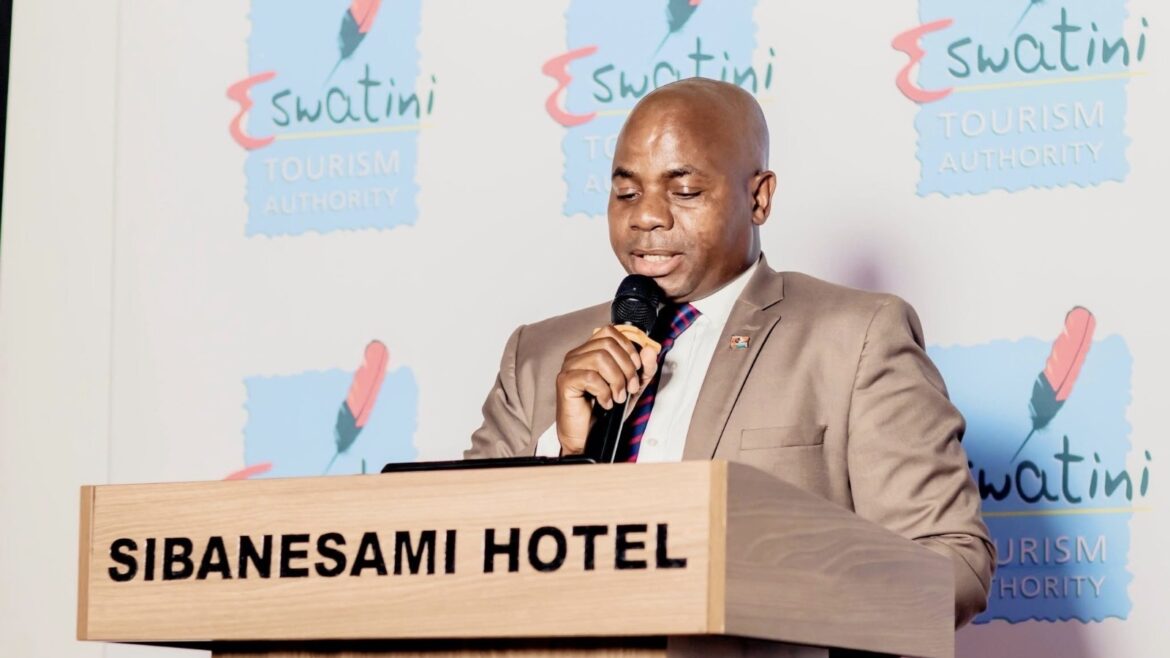


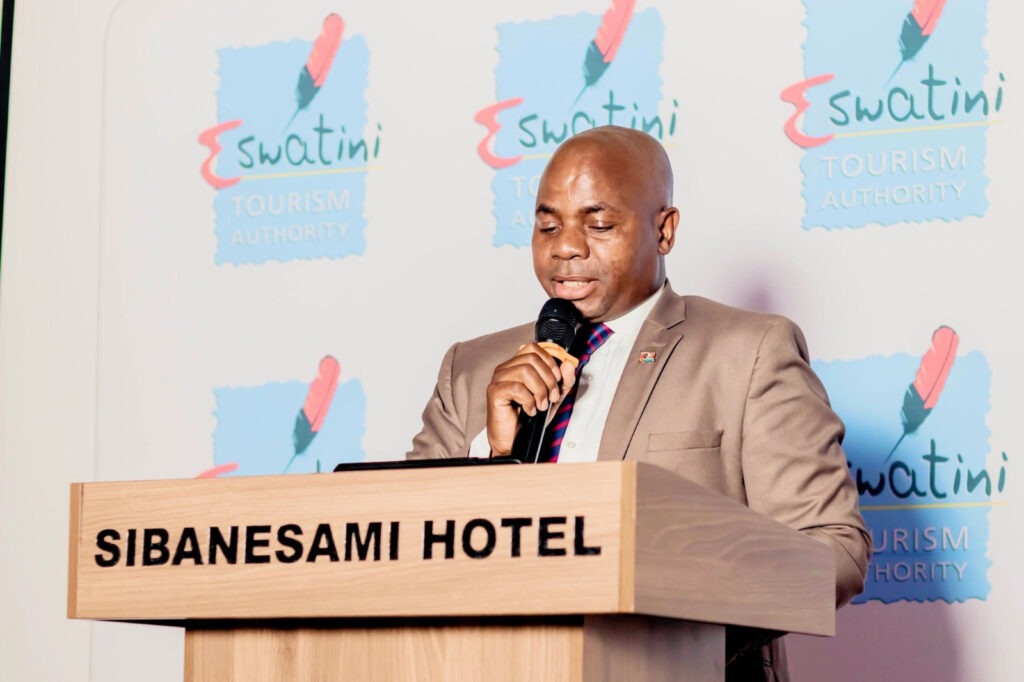

Eswatini Tourism Authority (ETA) Chief Executive Officer Vusie Dlamini has said the Kingdom is ready to welcome two million visitors, pointing to the country’s growing tourism offering and the importance of collaboration across different sectors in accommodating an increase in visitor numbers.
Speaking during an interview on Eswatini TV’s Kusile Breakfast this morning, Dlamini said the country’s readiness to receive two million visitors goes beyond the work of the tourism industry.
He highlighted the contribution of other stakeholders, particularly those responsible for roads, accessibility, internet connectivity and hospitality, in ensuring that visitors can move around the country and enjoy their stay.

His remarks bring attention to the wider infrastructure and services required to support tourism growth, particularly as Eswatini continues to position itself as a destination for regional and international travellers.
While the tourism sector plays a central role in attracting visitors, the experience of travelling through the country depends on several other services working together.
Road networks determine how easily tourists can reach different destinations, internet connectivity supports communication and access to information, while the hospitality industry is responsible for accommodation, food and the overall visitor experience.
The two million visitor figure also connects to the Eswatini Tourism Authority’s broader strategic ambitions. In his remarks during the launch of the 2026 Visit Eswatini Festive Season Campaign on November 4, Dlamini outlined the authority’s target of reaching two million international arrivals and E2 billion in tourism receipts by 2027.



The target forms part of the country’s efforts to strengthen its position within the regional tourism market and increase the economic contribution of the sector.
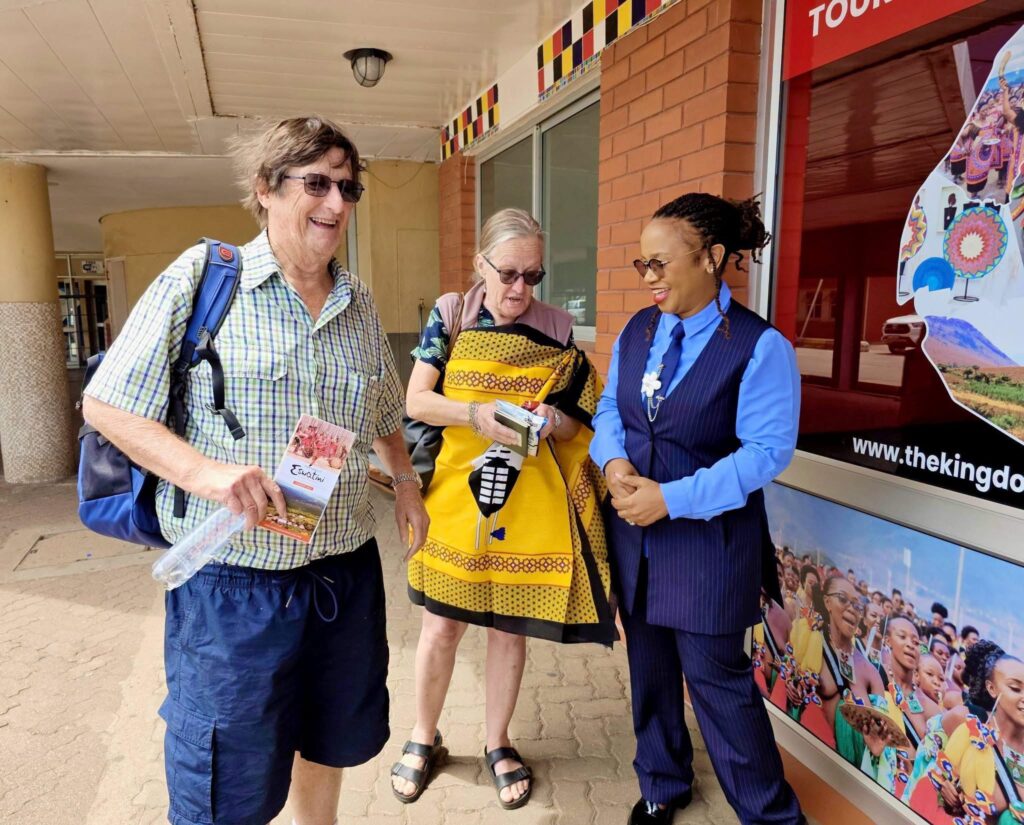
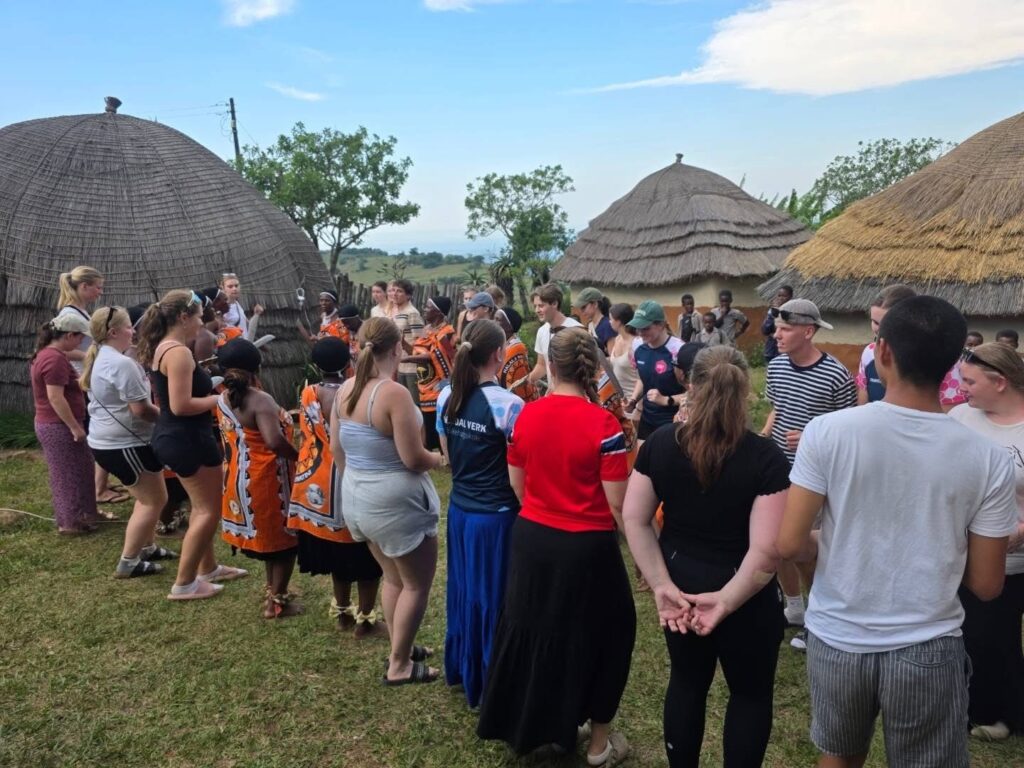
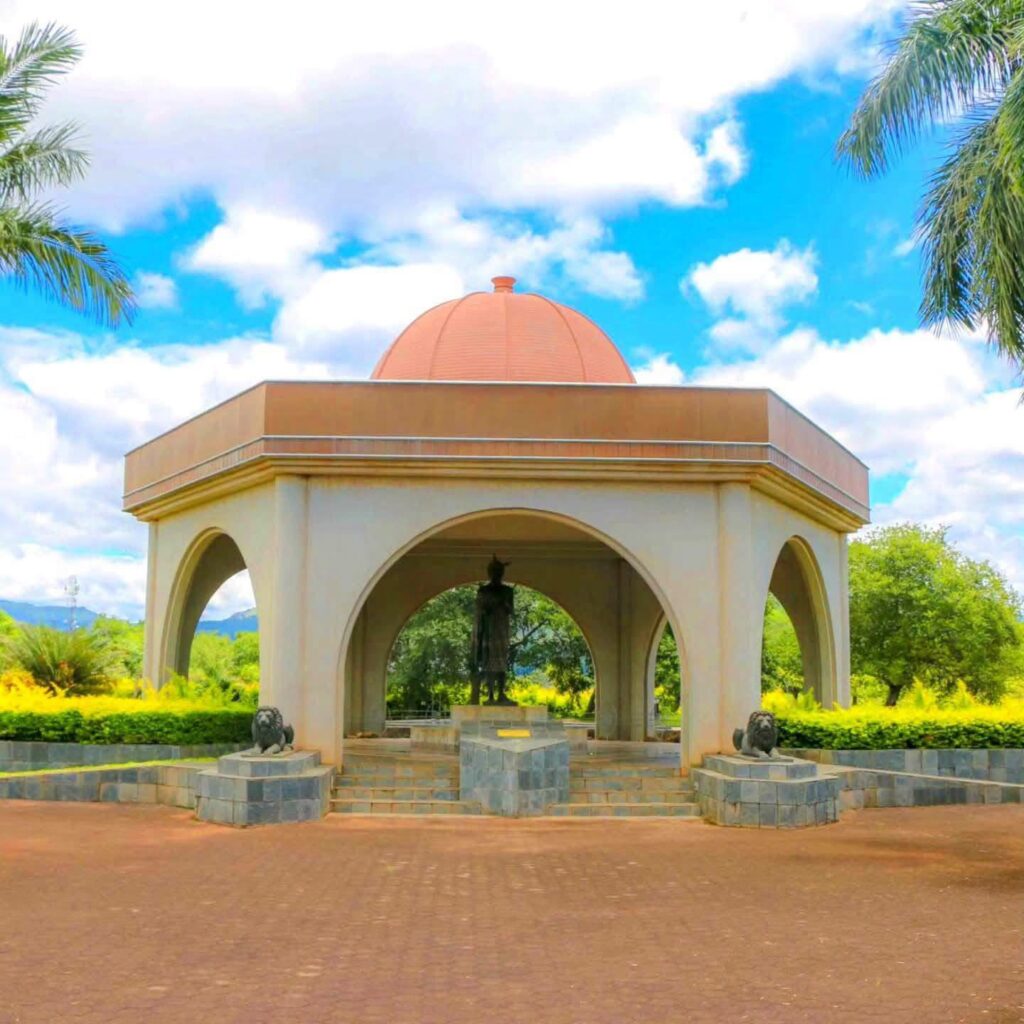
Eswatini has continued to promote a variety of tourism experiences, ranging from cultural events and heritage attractions to outdoor adventures, nature-based tourism and hospitality establishments.
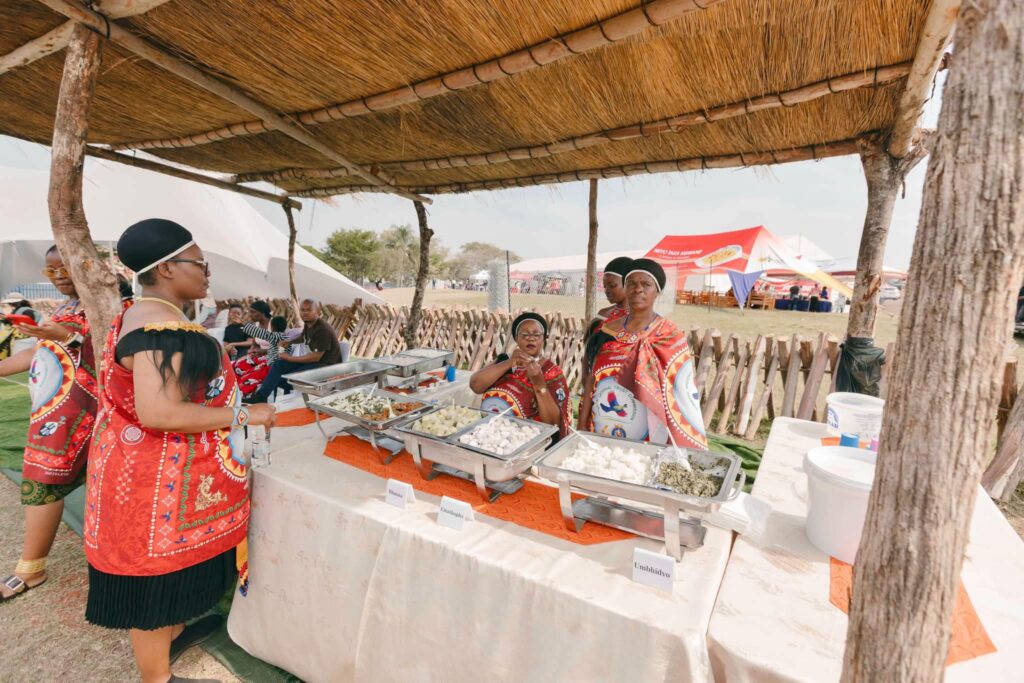
The country’s calendar includes established events such as MTN Bushfire and the Standard Bank Luju Food and Lifestyle Festival, alongside local heritage and community-based experiences.
These offerings provide different reasons for visitors to travel to the Kingdom, while also creating opportunities for businesses operating within the tourism value chain.

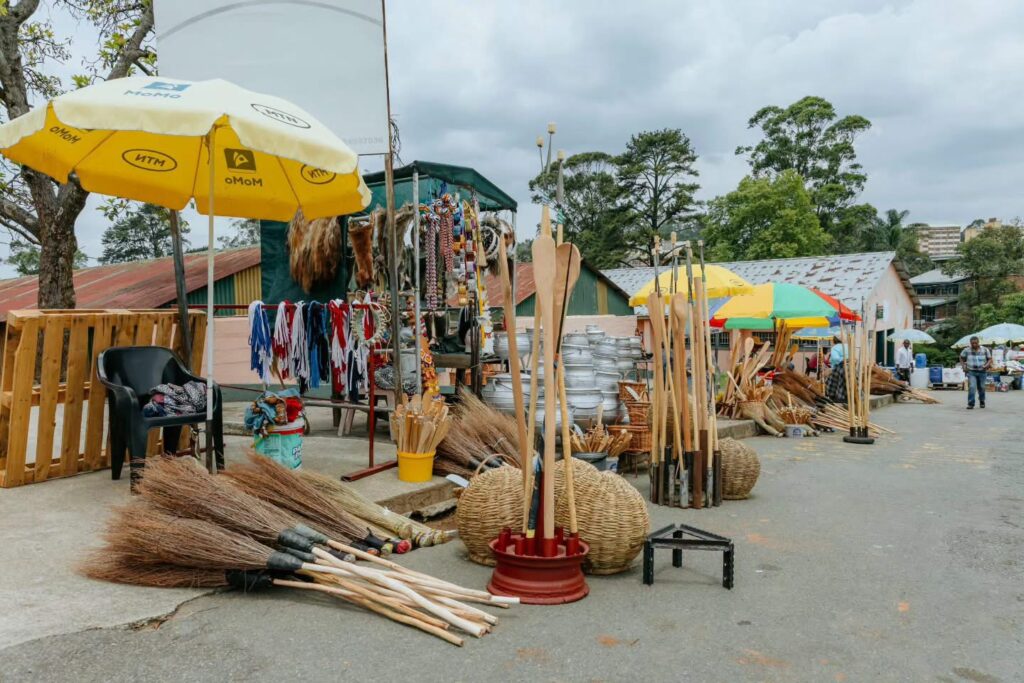

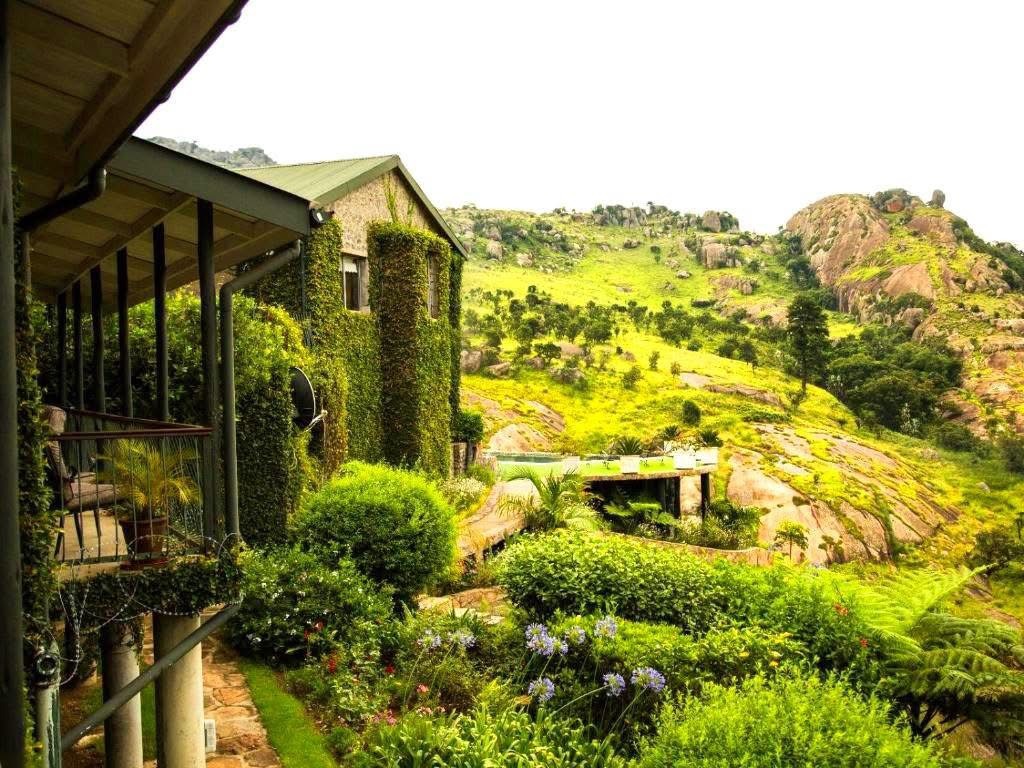

However, attracting two million visitors would require more than a strong destination marketing campaign. It would mean ensuring that the country’s supporting infrastructure and services can accommodate increased movement, particularly during peak travel periods when more people are expected to cross the borders, visit attractions and book accommodation.
This is particularly relevant as the Eswatini Tourism Authority rolls out its 2026 Festive Season Campaign, which runs from November 4, 2026, to January 31, 2027. The campaign is designed to encourage Emaswatiand regional travellers to spend their holidays in the Kingdom, with South Africa, Mozambique, Lesotho, Botswana, Zimbabwe, Zambia and Namibia identified among the targeted markets.
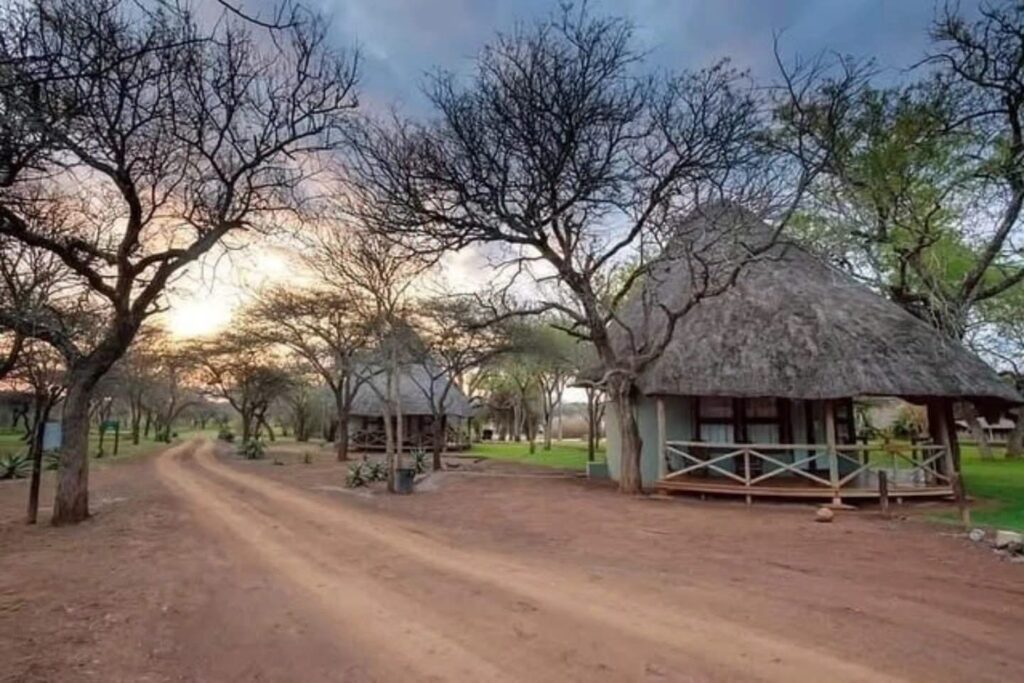
The authority is also looking to increase the length of stay and visitor spending by working with local tourism operators to develop holiday packages for families, couples, groups of friends and pensioners. Another focus is introducing visitors to newer tourism products, boutique lodges and outdoor experiences that have emerged over the past two years.
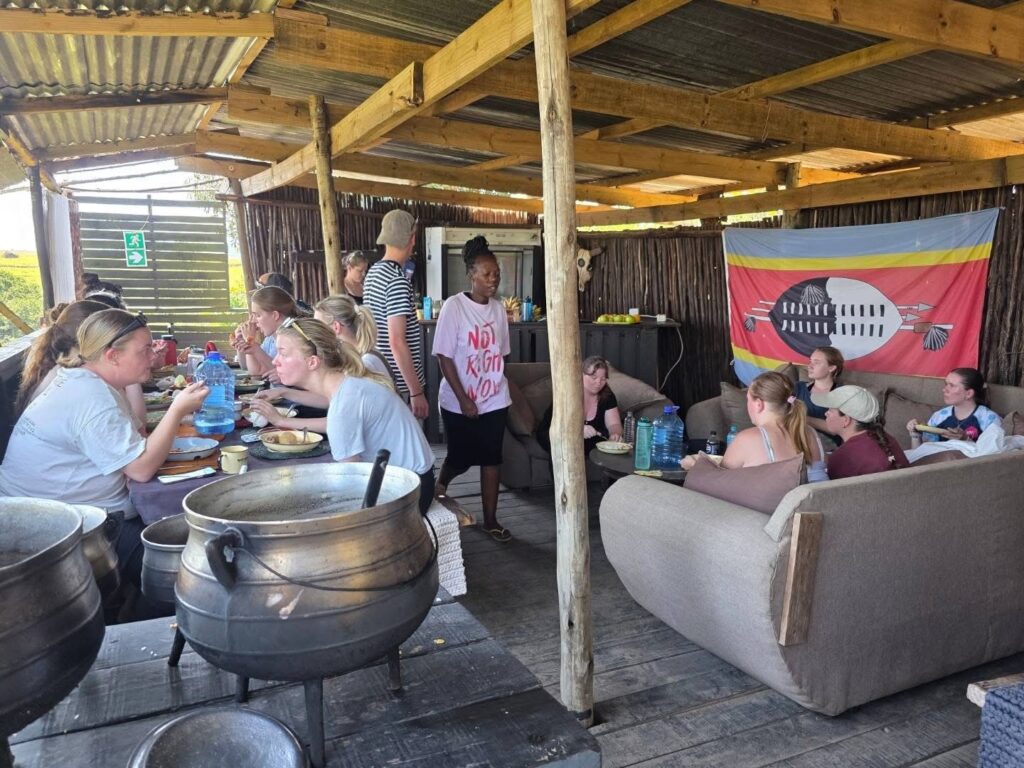
For the two million visitor ambition to translate into meaningful growth, the contribution of tourism businesses and supporting industries will remain important. Accommodation providers, restaurants, transport operators, tour guides, entertainment establishments and other service providers all form part of the experience visitors encounter when they arrive in the country.
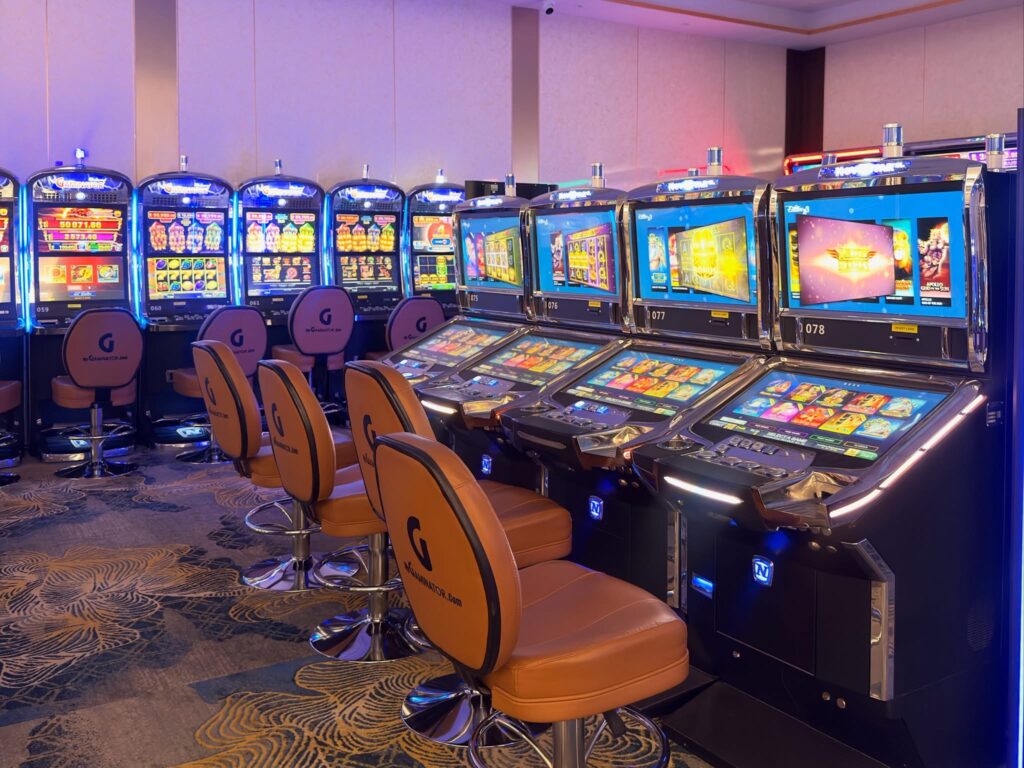
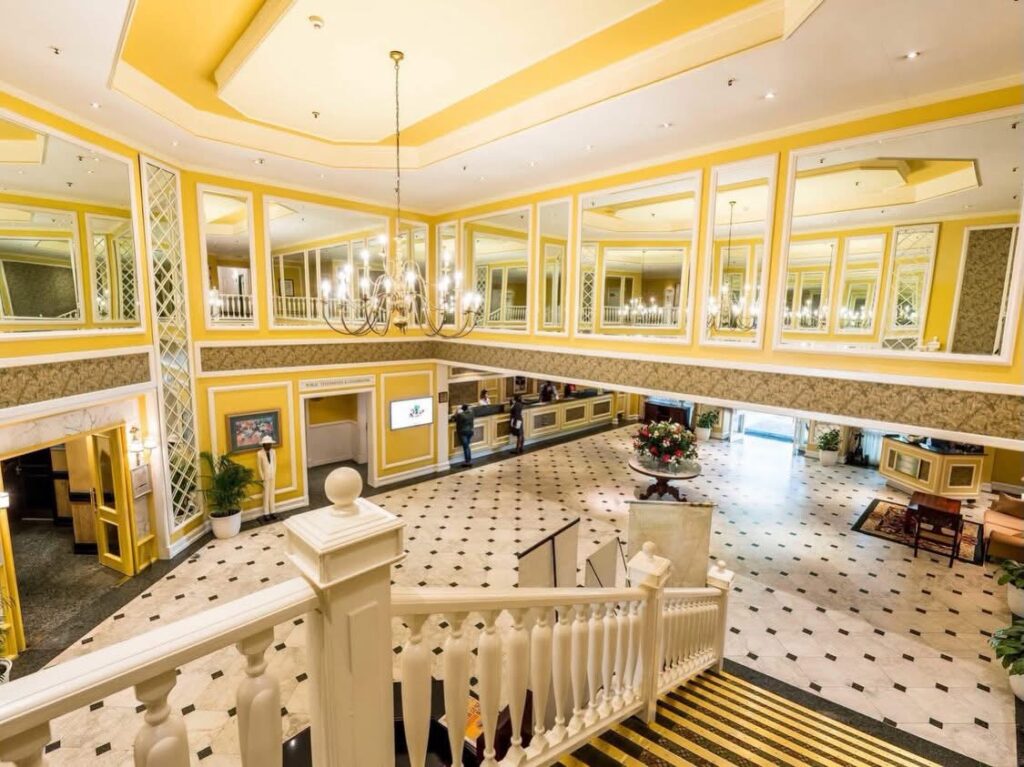
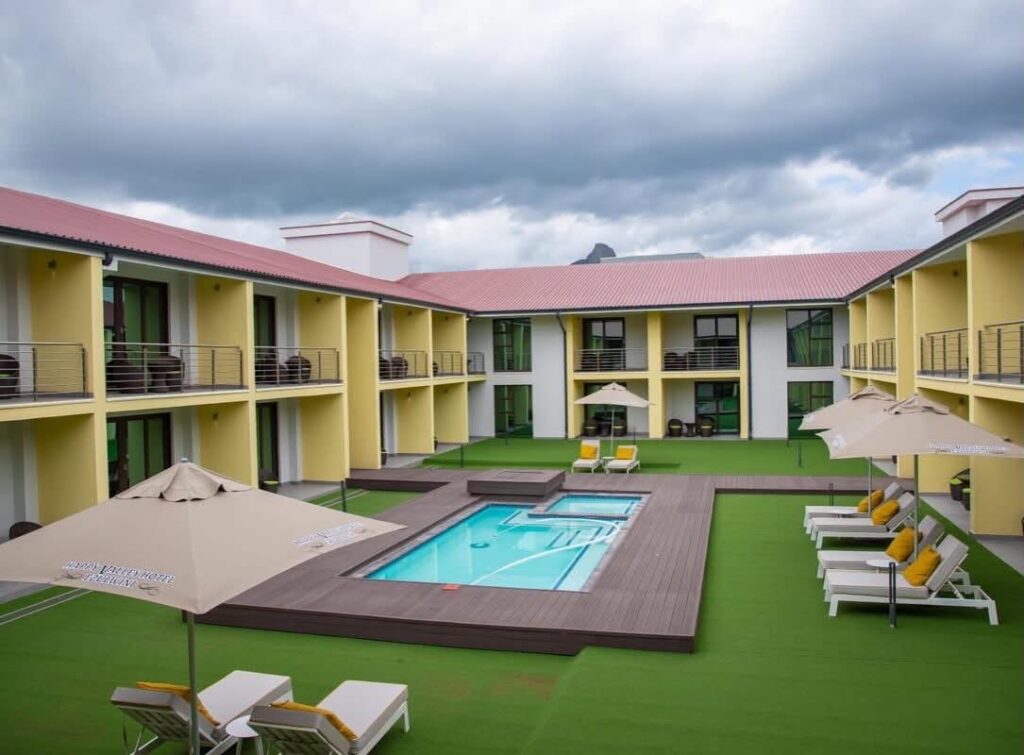



The question of accessibility is equally important. Visitors need reliable roads connecting them to attractions and accommodation establishments, clear information about destinations and services, and dependable connectivity throughout their journeys. These are considerations that extend beyond the responsibilities of ETA and require cooperation between government institutions, private businesses and other relevant stakeholders.
Environmental management and road safety are also part of the destination readiness conversation. During the festive campaign launch, Dlamini announced partnerships with the Eswatini Environment Authority and corporate partners, including KFC Eswatini, for the Hloba Eswatini Clean-Up Campaign. Clean-up activities and waste infrastructure are being introduced at key border posts and busy centres.
The authority is also working with the Road Safety Council and the Sincephetelo Motor Vehicle Accident Fund on festive season road safety activities, including driver fatigue awareness and safety activations along major travel routes.







These initiatives form part of the wider preparations to receive visitors during the holiday period, particularly those travelling by road from neighbouring countries.
Dlamini’s comments on Eswatini’s readiness for two million visitors place emphasis on a shared responsibility in growing the country’s tourism industry.
While ETA continues to market the Kingdom and promote its attractions, the ability to accommodate more visitors will depend on the quality and reliability of the services supporting the sector.



With the 2027 target approaching, the focus will be on ensuring that the country’s tourism ambitions are matched by the infrastructure, connectivity, accessibility and hospitality needed to support them.
The opportunity extends beyond increasing arrival numbers to creating an environment where visitors can access different parts of the Kingdom, spend more time exploring, and support businesses and communities along the way.