

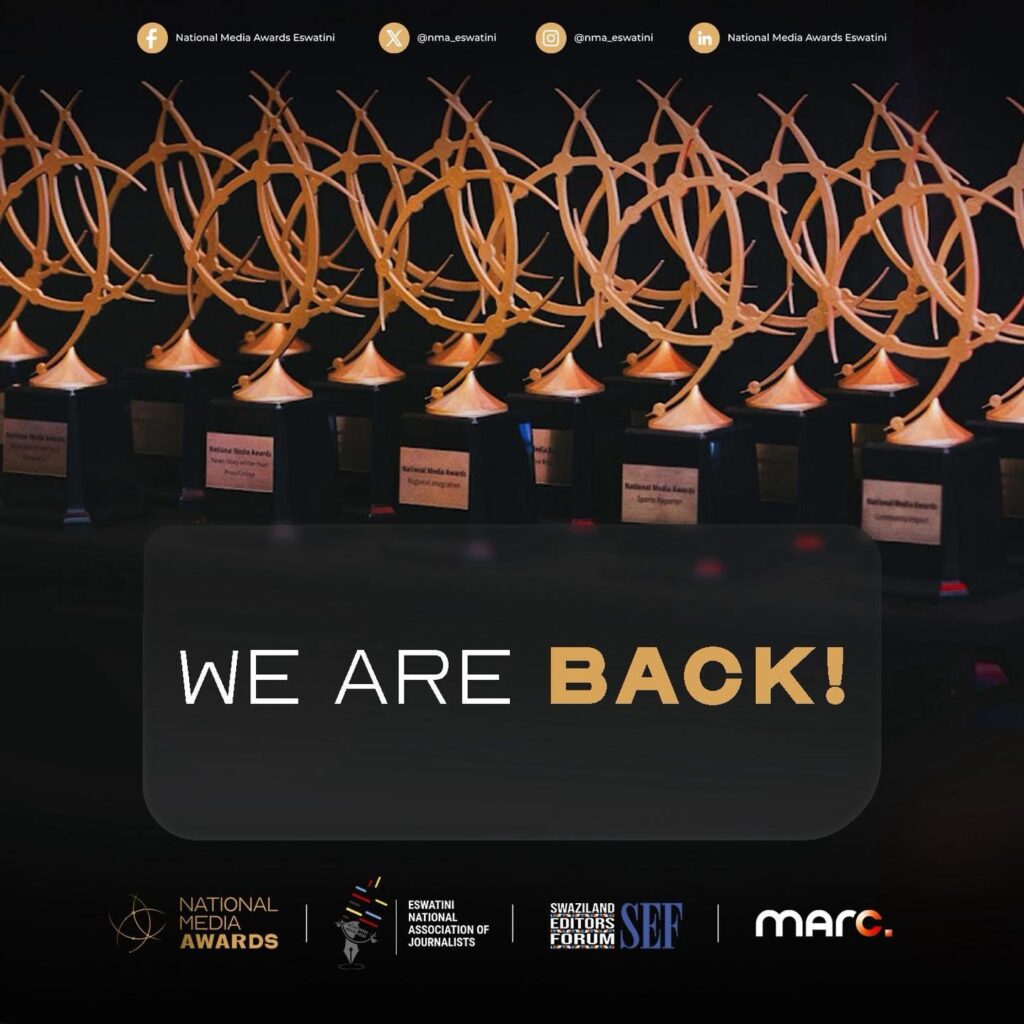

The race for national recognition in journalism is underway as the Eswatini National Association of Journalists (ESNAJ), in partnership with the Eswatini Editors Forum (EEF), prepares for the second edition of the National Media Awards, scheduled for December 5, 2026.
Following the inaugural ceremony held in December 2025, the awards return with an expanded list of categories aimed at recognising excellence across print, broadcast and digital media.
The organisers have also opened the competition to a wider range of media practitioners, including freelance journalists and digital content creators.


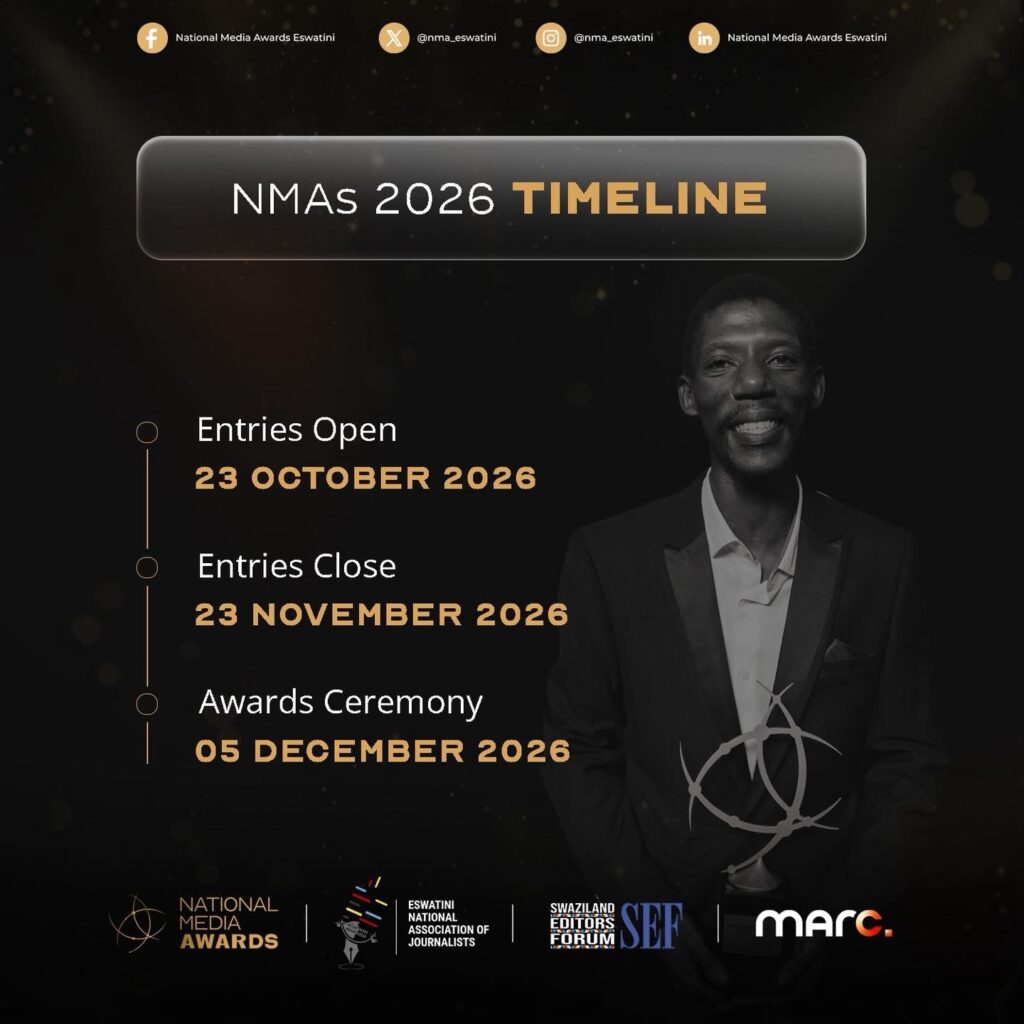
Entries for the 2026 edition opened in October, with the submission deadline set for November 23. Eligible work must have been published, broadcast or released between December 1, 2025 and November 23, 2026.
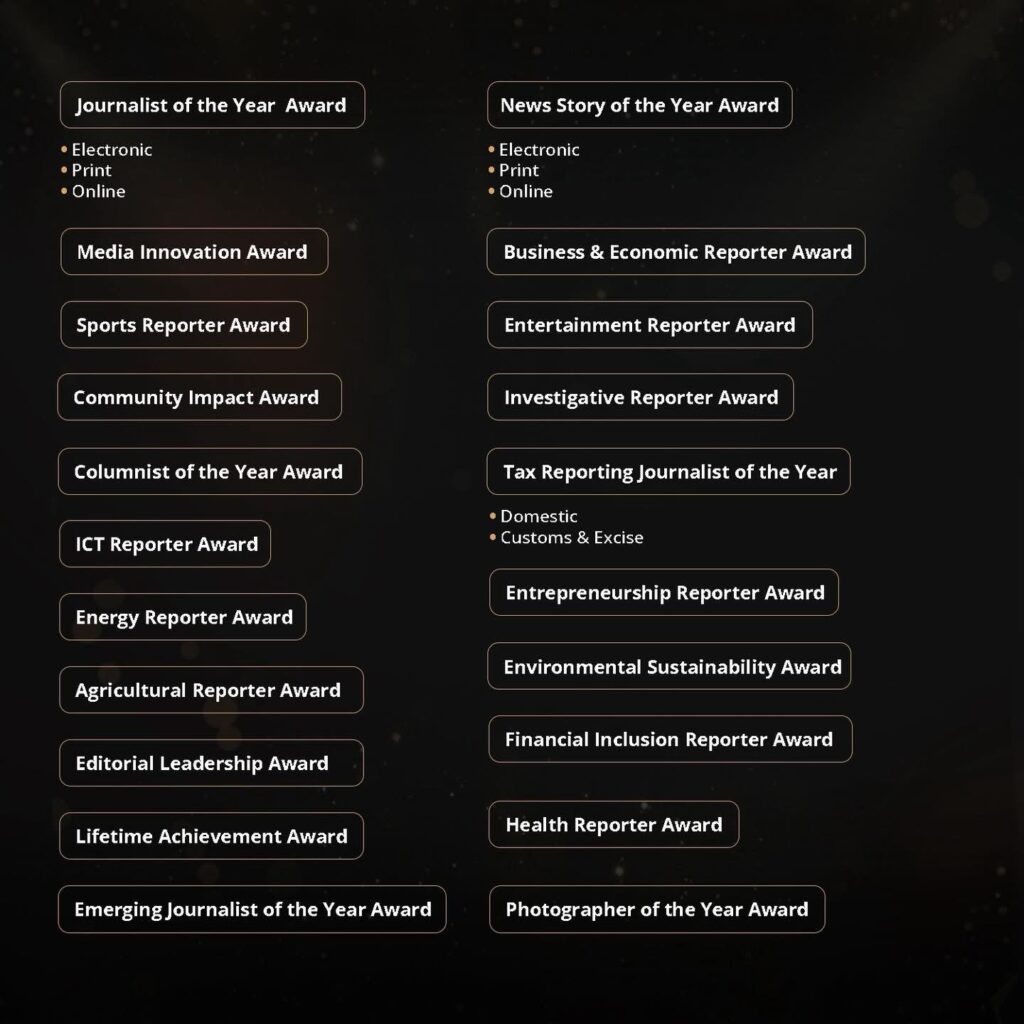
This year’s edition introduces additional specialist reporting categories, reflecting the growing importance of journalism in covering sectors that influence national development. Among the areas receiving dedicated recognition are agriculture, energy, financial inclusion, entrepreneurship, information and communications technology, early childhood development and health reporting on non-communicable diseases.
The expanded categories are part of the organisers’ efforts to recognise the different areas of reporting and the contribution journalists make through their work.
The awards also retain established categories such as Journalist of the Year, News Story of the Year, Investigative Reporter, Sports Reporter, Entertainment Reporter, Business and Economic Reporter, Columnist of the Year and Community Impact.







According to ESNAJ President Lwazi Dlamini, the 2026 edition is expected to build on the foundation established during the inaugural awards. The association has also highlighted the importance of professional development, training and international partnerships in strengthening journalism in the country.
The awards are being organised in collaboration with the Eswatini Editors Forum, chaired by Mbongeni Mbingo, while the Marketing Advertising Research Council (MARC), founded by Zethu Dlamini, is also involved in the organisation and coordination of the event.
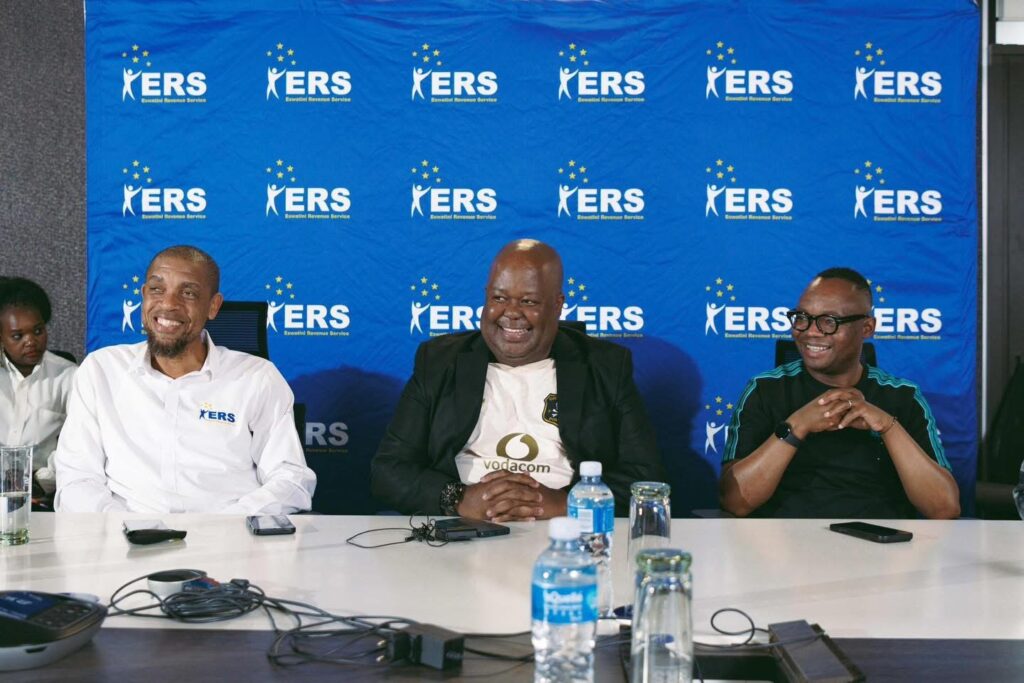
A significant development ahead of this year’s ceremony is the increased financial support from the Eswatini Revenue Service (ERS), which has committed E180,000 towards the awards. This represents an increase from the E25,000 contribution made by the institution during the inaugural edition.
The sponsorship was announced on October 23, following a meeting involving ERS Commissioner General Brightwell Nkambule, ESNAJ President Lwazi Dlamini and Editors Forum Chairperson Mbongeni Mbingo.

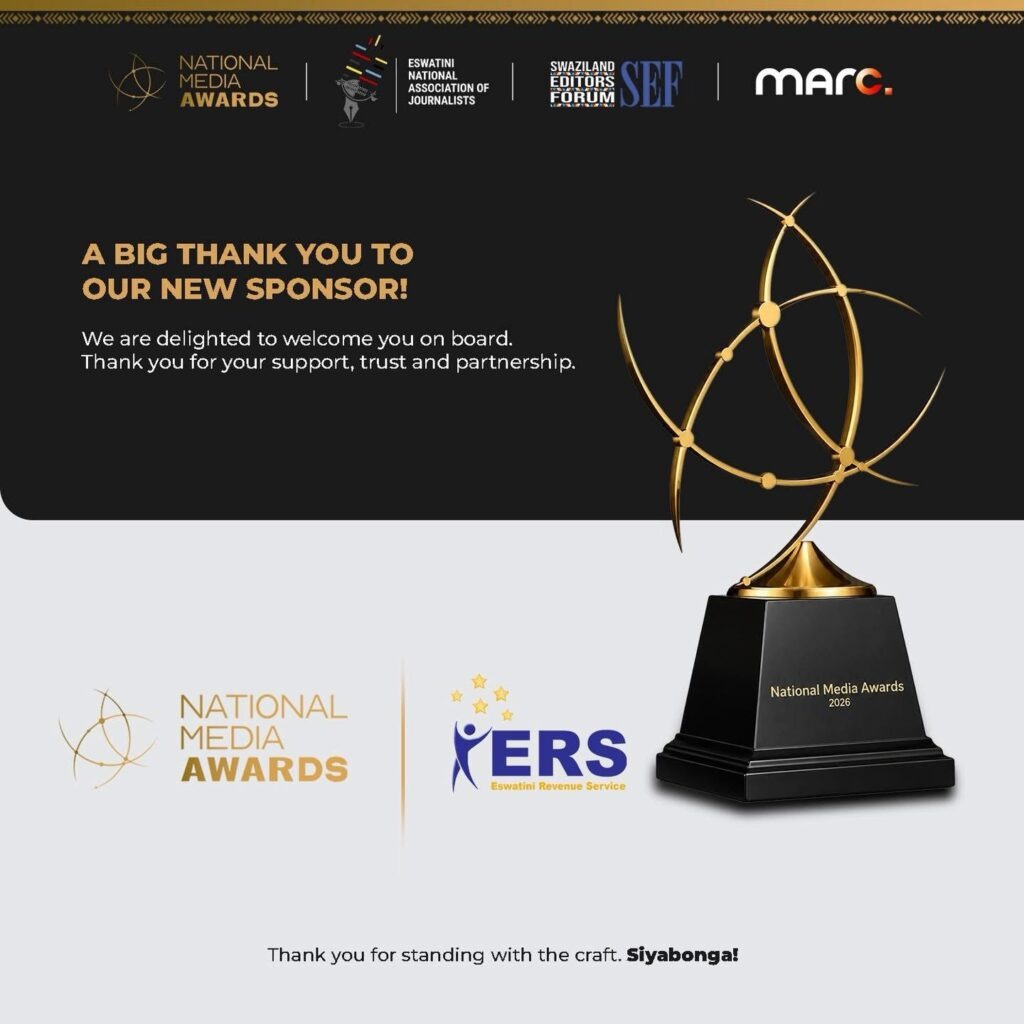
The partnership also includes recognition for specialist tax reporting through two dedicated categories: Tax Reporting Journalist of the Year – Domestic Revenue and Tax Reporting Journalist of the Year – Customs/Excise. ERS has indicated that the media plays an important role in helping the public understand tax obligations, revenue collection and compliance.
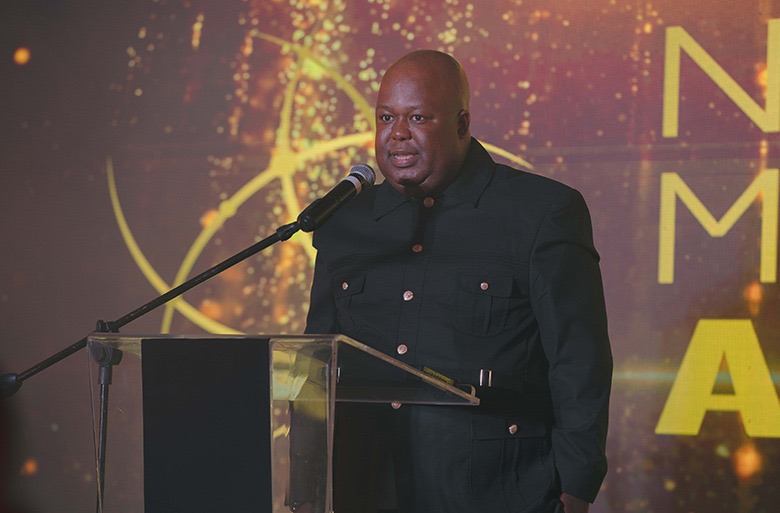
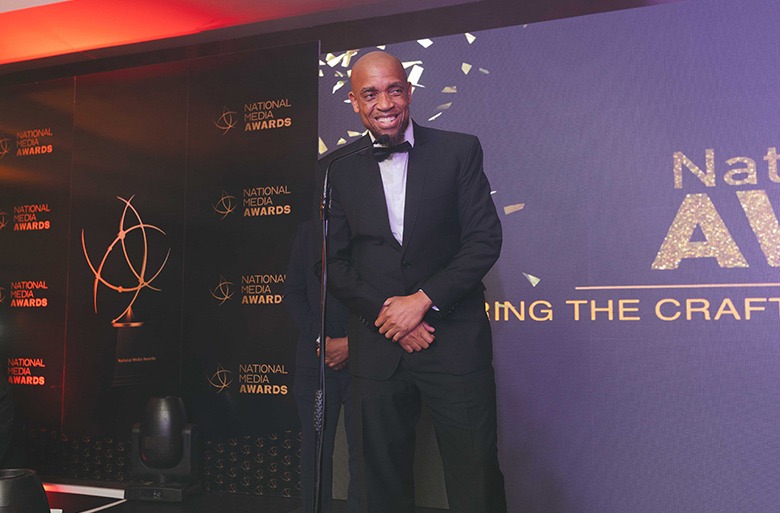
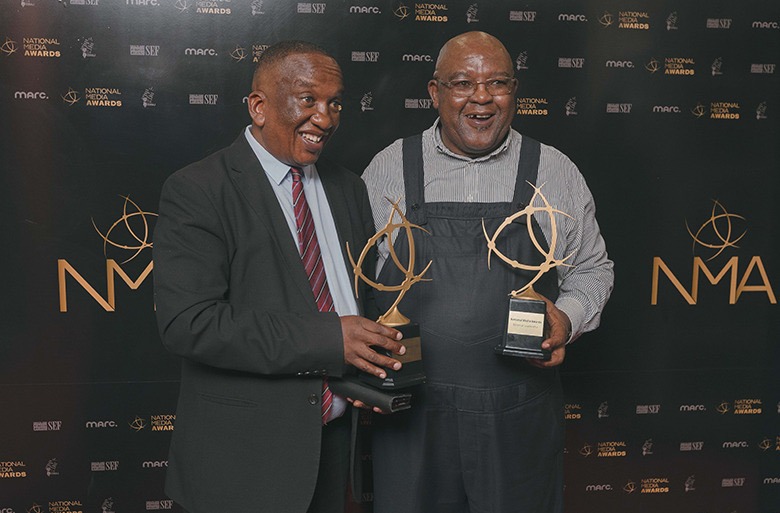
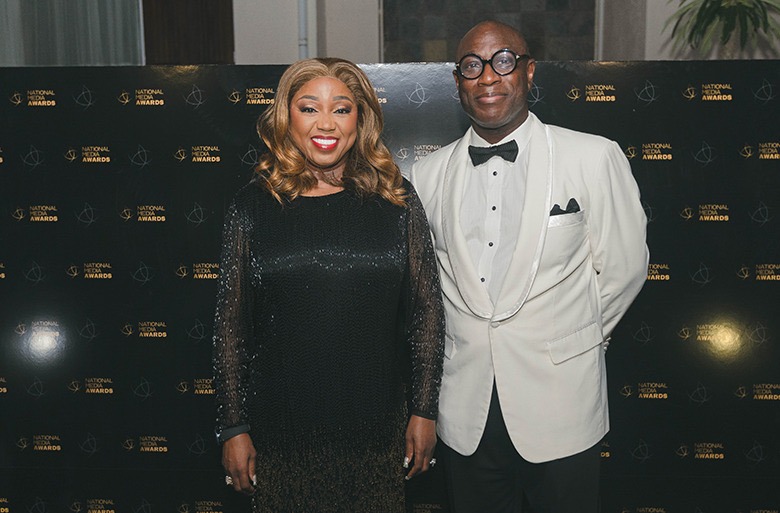
The 2026 awards follow the inaugural ceremony held at Royal Villas in Ezulwini on December 22, 2025. That edition recognised journalists and media practitioners across 16 categories, with Mbongiseni Ndzimandze emerging as one of the night’s leading winners after receiving three awards, including Journalist of the Year – Print.
Other inaugural winners included Sonto Mlangeni, who received Journalist of the Year – Electronic, Phiwa Sikhondzefor Best Business Reporter, Sibongile ‘Sky’ Sukati for Columnist of the Year and Bheki Makhubu, who received the Editorial Leadership Award. Veteran journalist Chawe Mamba was honoured with the Lifetime Achievement Award.
For the 2026 edition, entrants are required to submit original work accompanied by the relevant entry documentation and an editor’s endorsement. Submissions must comply with professional journalistic ethics and applicable media laws. The organisers have also stated that there are no entry fees.

The expanded eligibility requirements mean that the competition is not limited to journalists employed by established media houses.
Freelancers, broadcasters, producers, photographers, editors and digital content creators working and residing in Eswatini are also eligible, provided their work meets the requirements of the relevant category.
As the November 23 deadline approaches, journalists and media practitioners have an opportunity to put forward work produced over the past year for consideration. The awards ceremony is expected to bring together media professionals and stakeholders to recognise achievements in an industry that continues to evolve.
With new categories, increased sponsorship and a broader pool of eligible entrants, the second edition presents another opportunity to acknowledge the work shaping Eswatini’s media landscape.