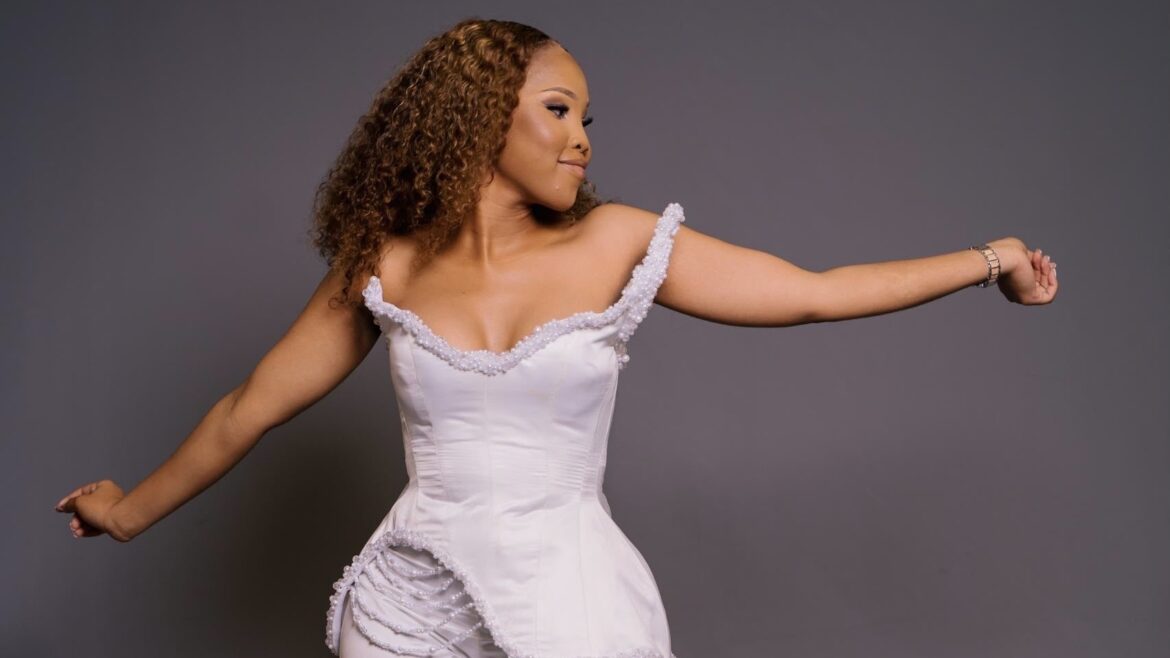


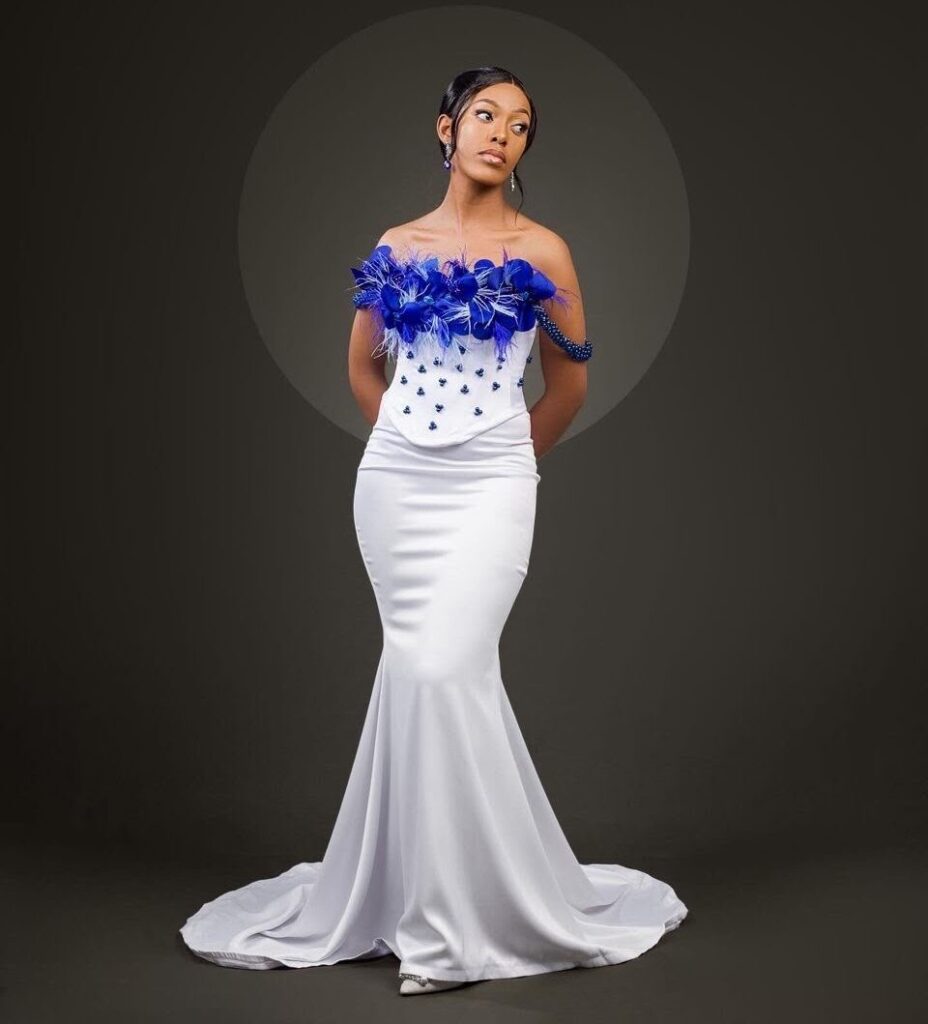

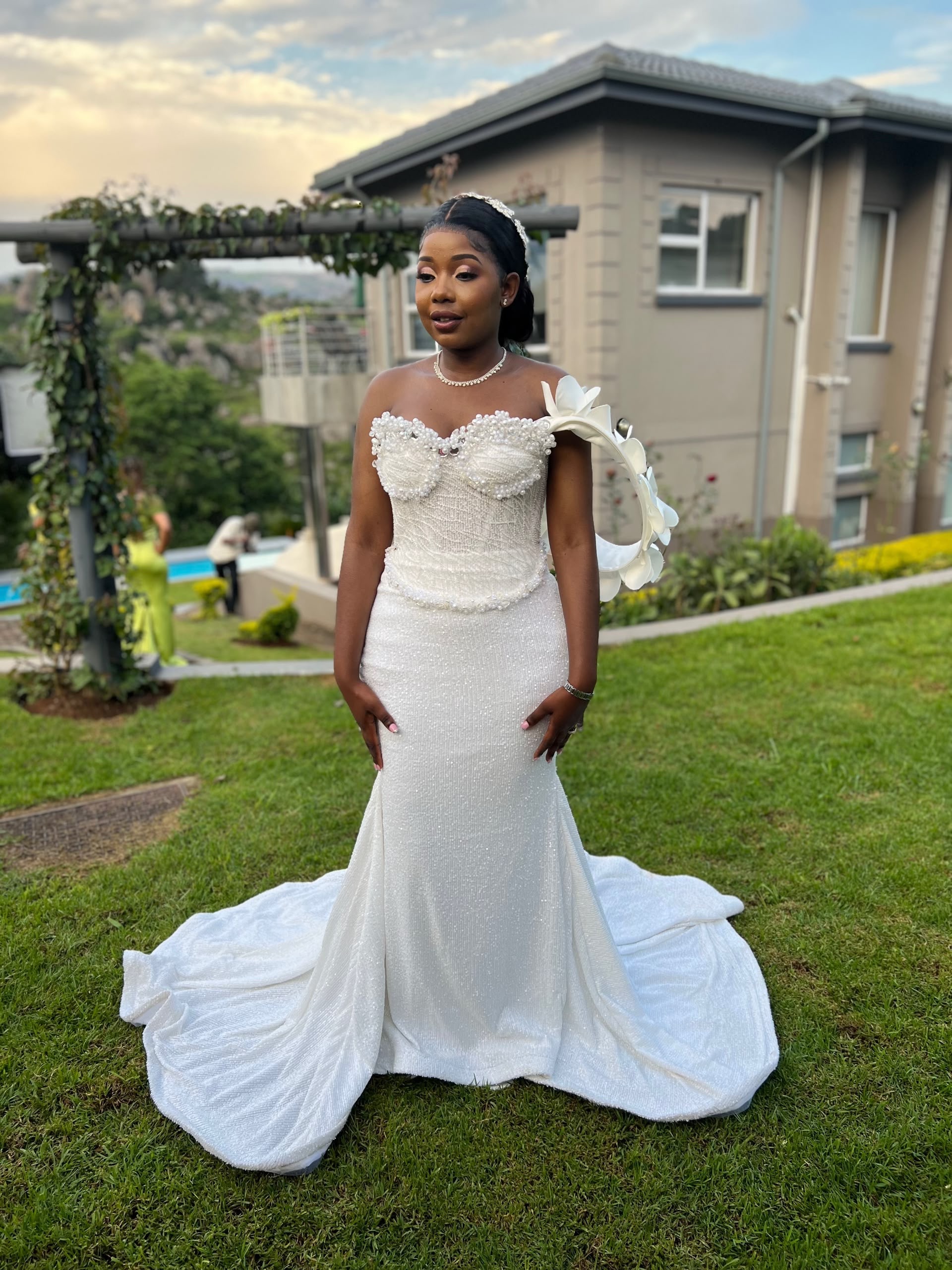
The House of Dandy offers a range of bespoke and couture fashion, specialising in custom-made garments designed around individual style and preferences. With a focus on corsetry, structured silhouettes and creative detailing, the fashion house combines thoughtful design with skilled garment construction to create distinctive pieces for its clients.
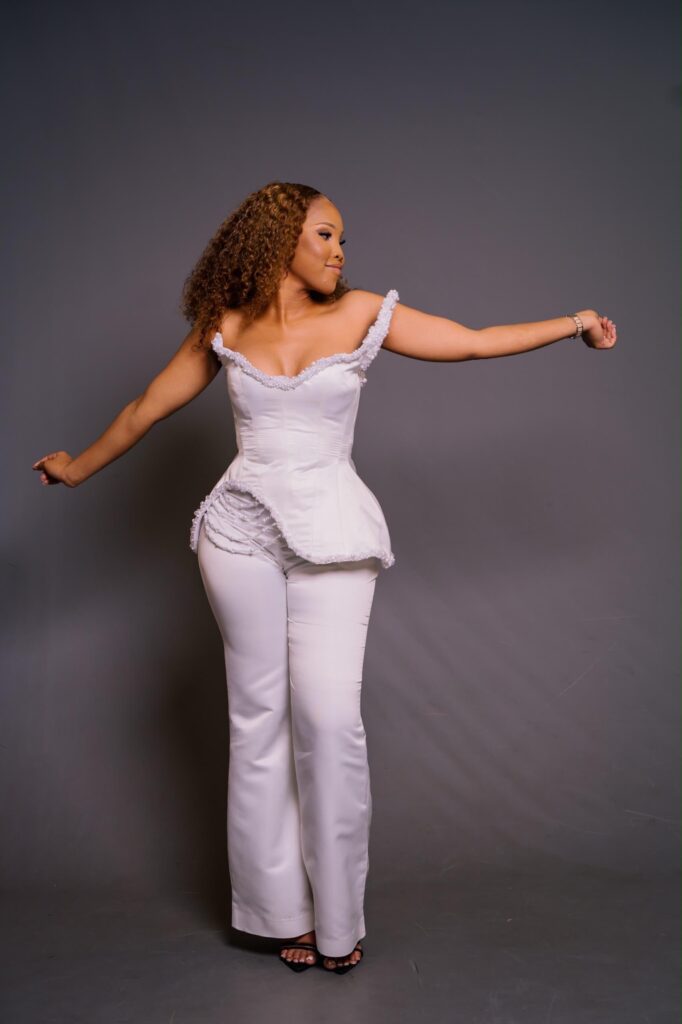
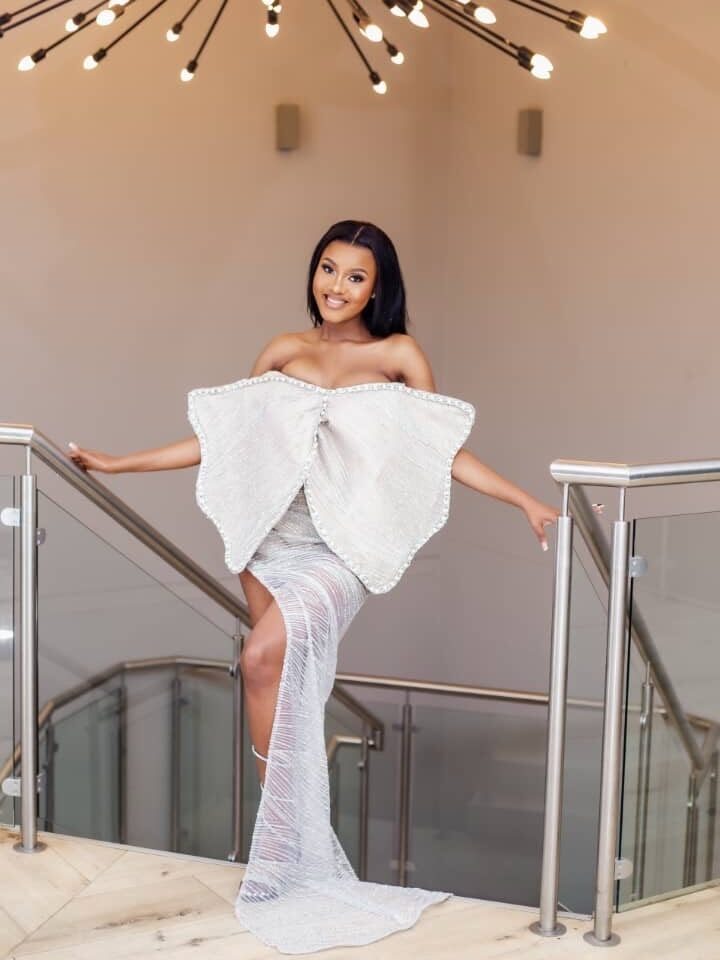
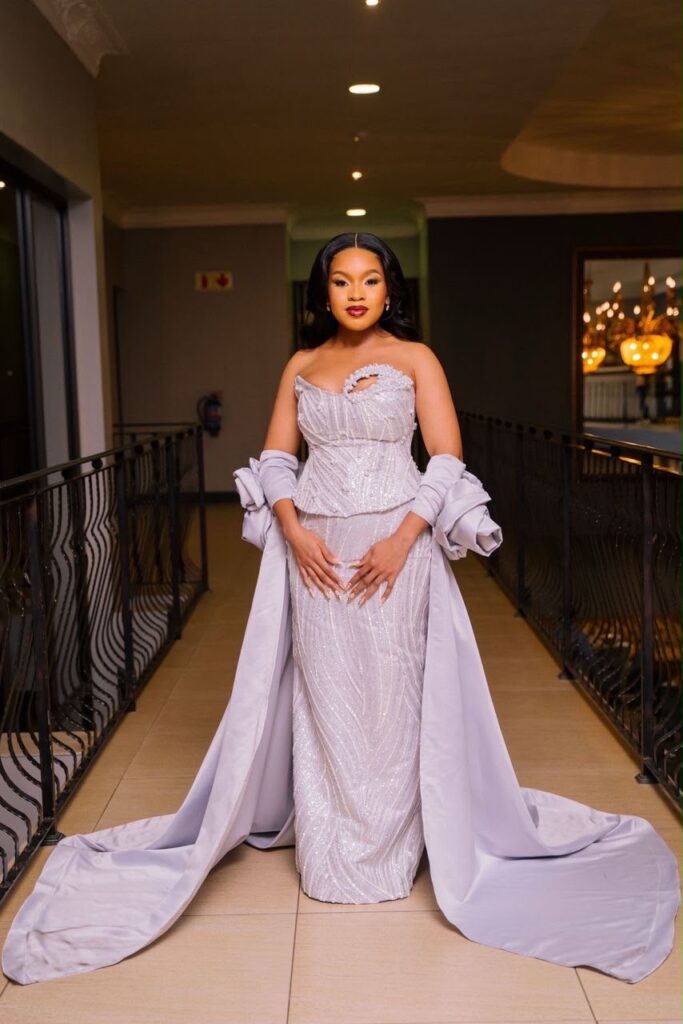
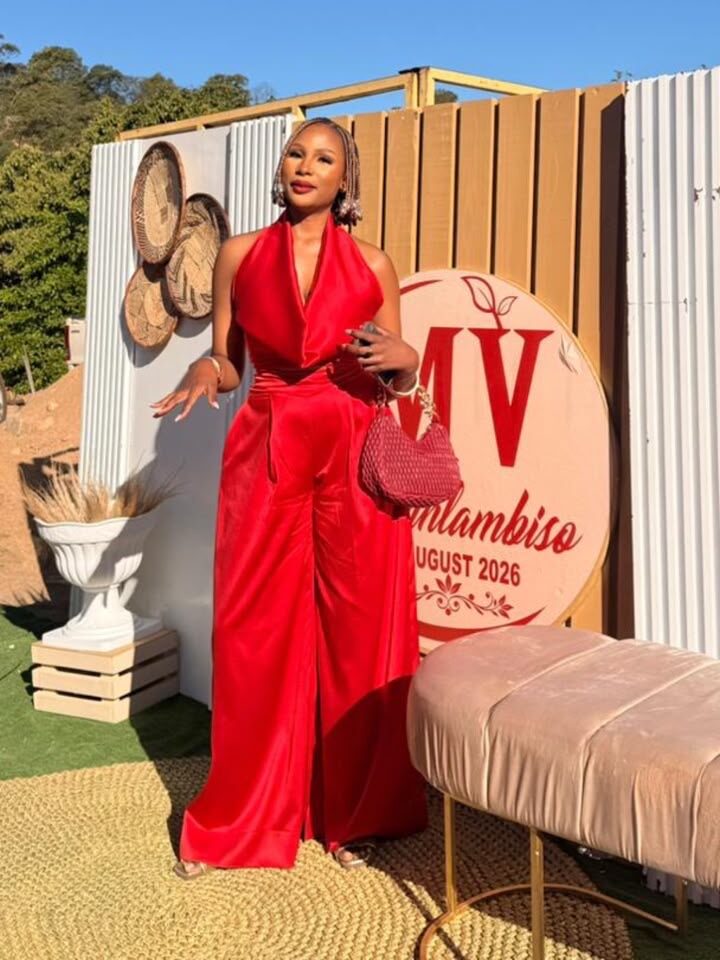
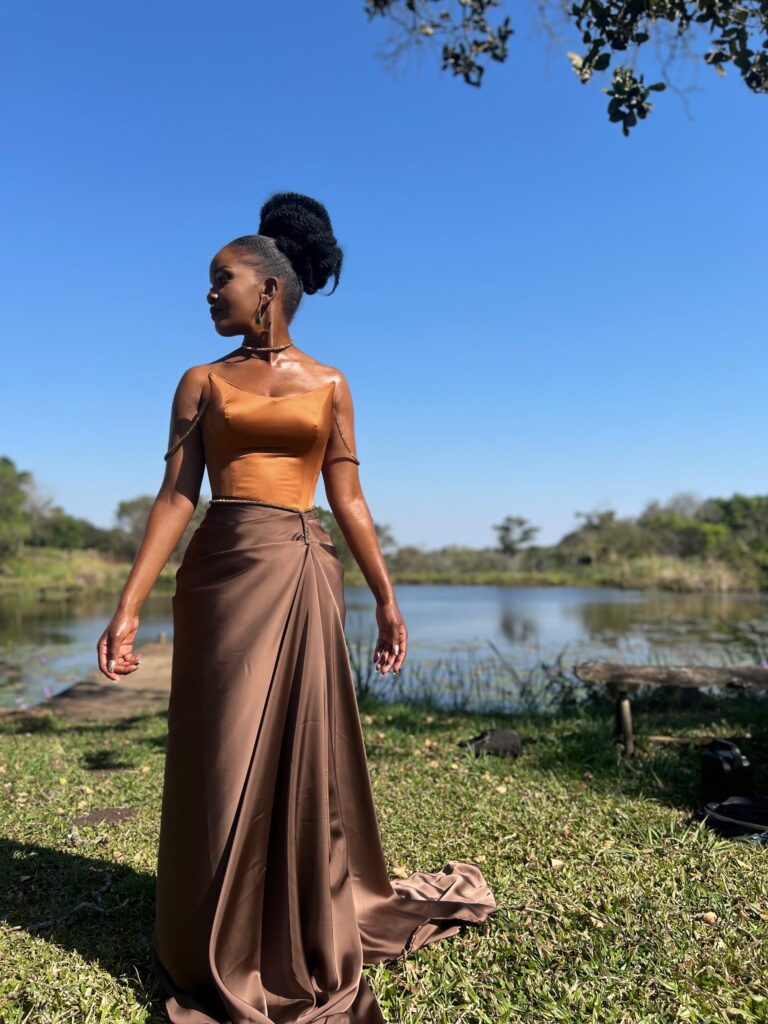
Its design identity is built around five words: feminine, expressive, sculptural, luxurious and couture. From corsets and conical dresses to palazzo pants and gathered puff sleeves, the fashion house explores different shapes and construction techniques to create garments that make a statement while remaining functional.
The House of Dandy began in 2022, shortly after its founder, Sithembile Masuku, completed university. What started as an interest in learning how to sew gradually developed into a fashion business.
Initially, Masuku was particularly drawn to corsets and began teaching herself through YouTube videos and online tutorials. Without formal pattern-drafting experience at the time, she used existing clothes as guides to recreate the garments she wanted to make.
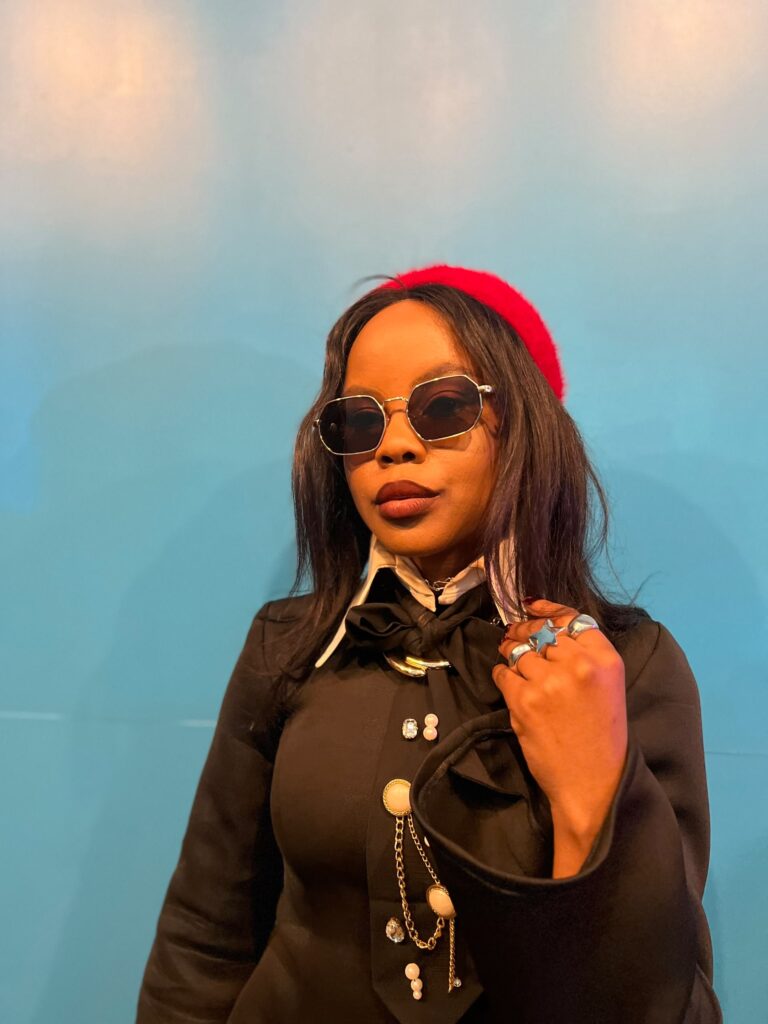
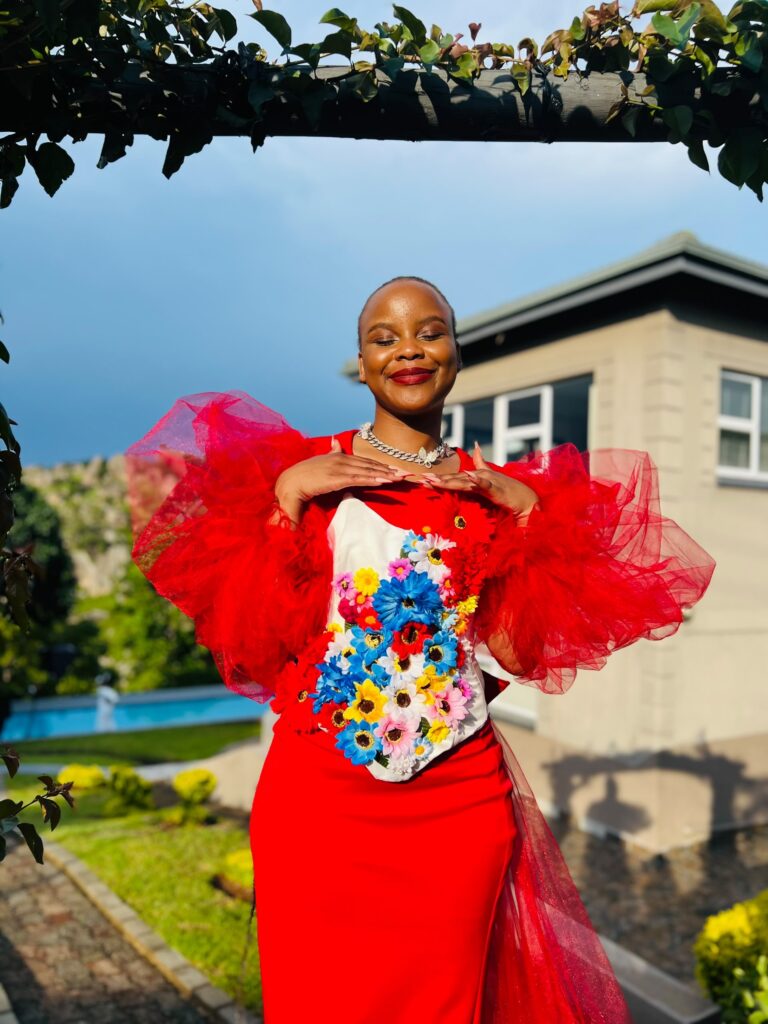
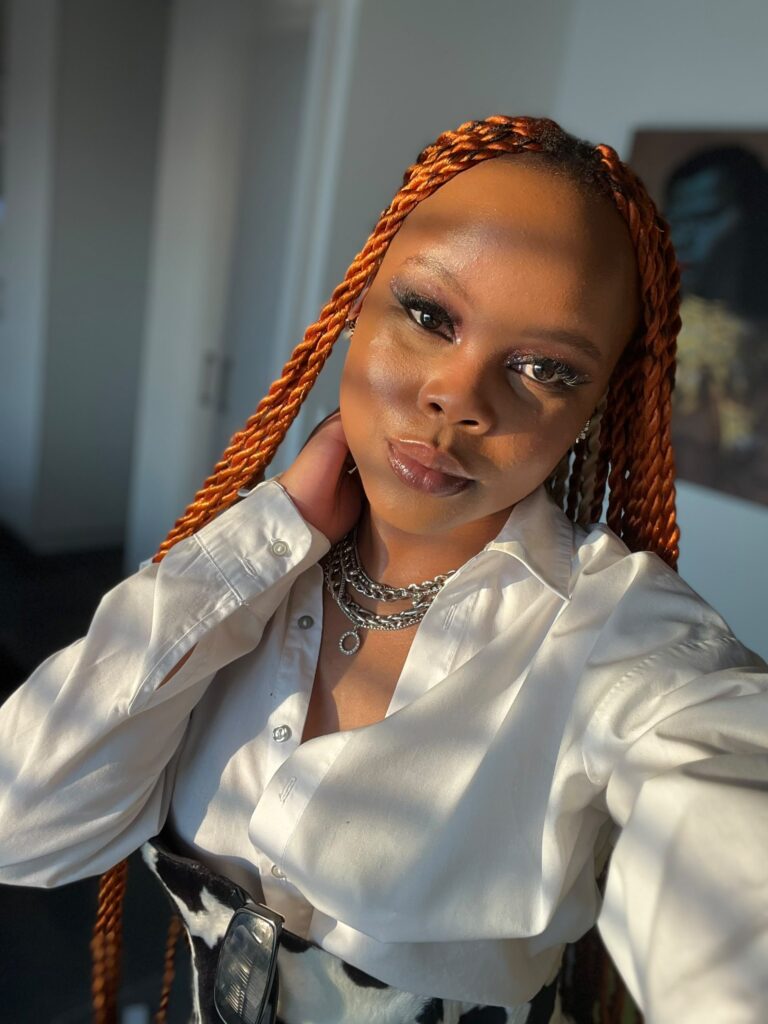
Her interest in fashion was largely driven by individuality and the desire to create pieces that were not always readily available in stores. She was drawn to the possibility of turning inspiration from pictures and magazines into actual garments.
“I used to wish I had the superpower to materialise something straight from a picture or magazine. Learning to sew was, in a way, my attempt to make that possible,” she explains.
As her skills developed, so did her interest in offering something different from the limitations she associated with fast fashion. She saw an opportunity to contribute to a fashion space in Eswatini that placed greater emphasis on individuality, creativity and craftsmanship.
Defining the House of Dandy Look
Masuku describes The House of Dandy as having a loud personality: confident, somewhat private, but impossible to ignore. This identity comes through in the brand’s preference for corsetry, structured silhouettes and draping, which allow it to explore the relationship between the body, fabric and form.
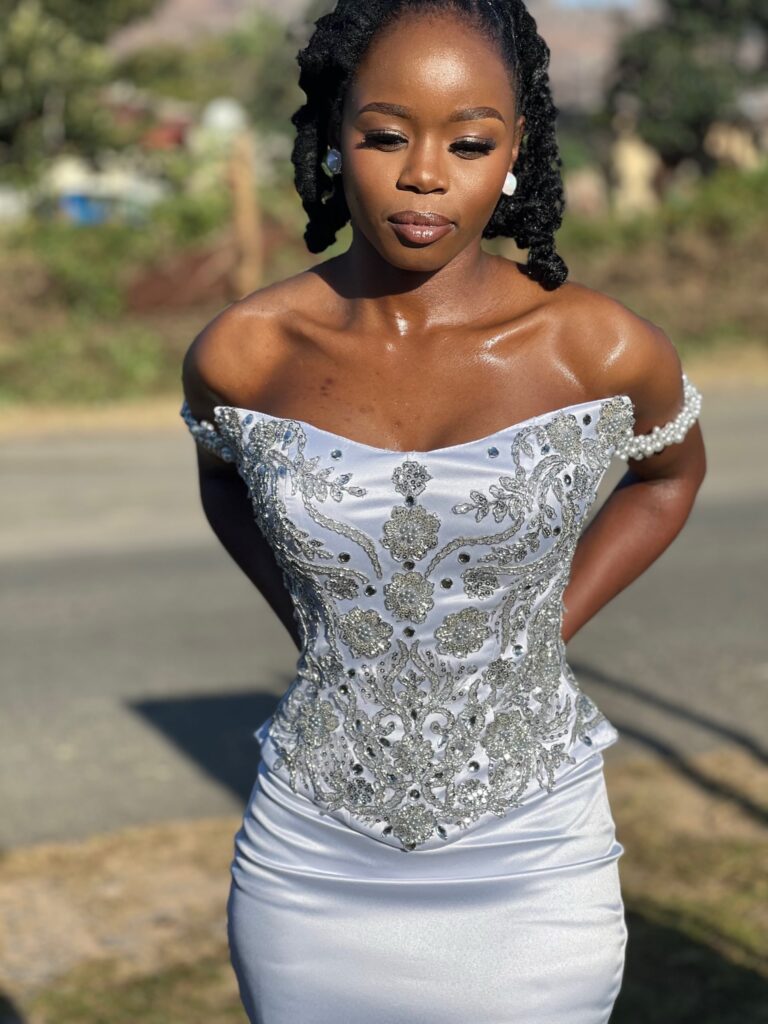
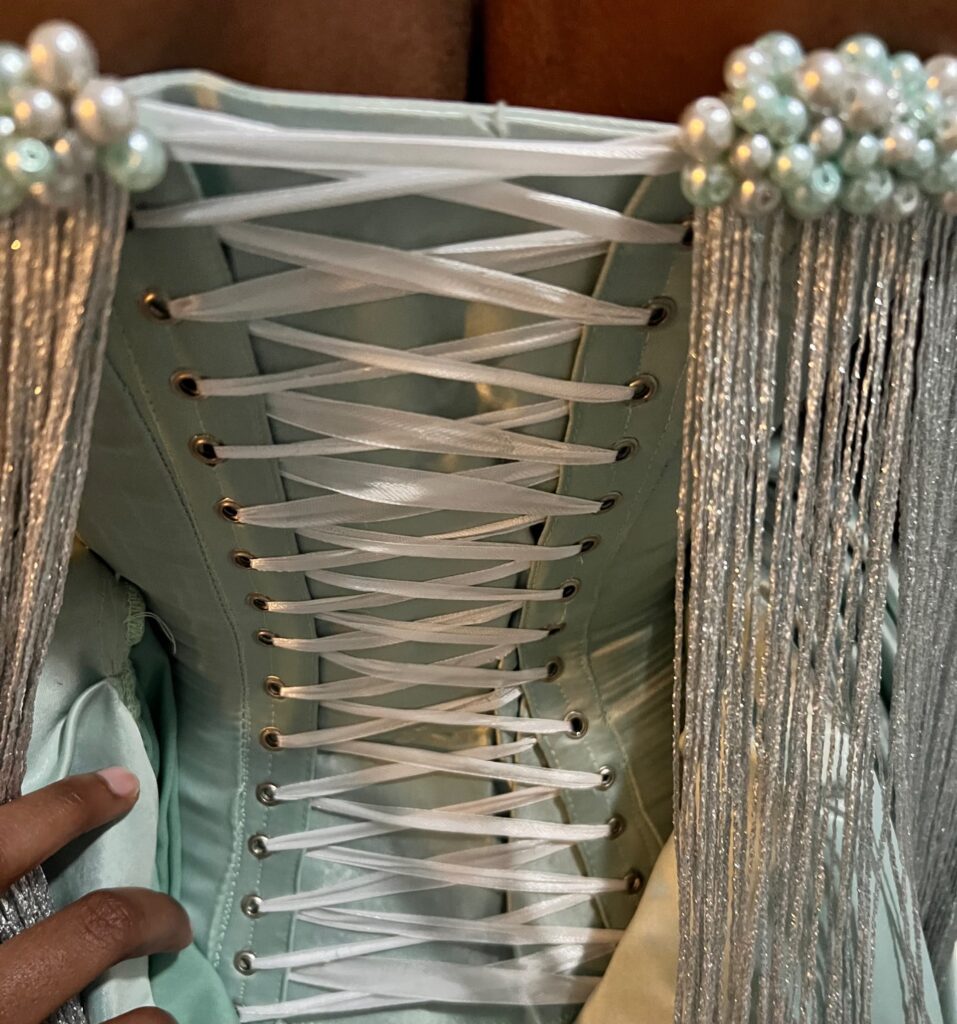
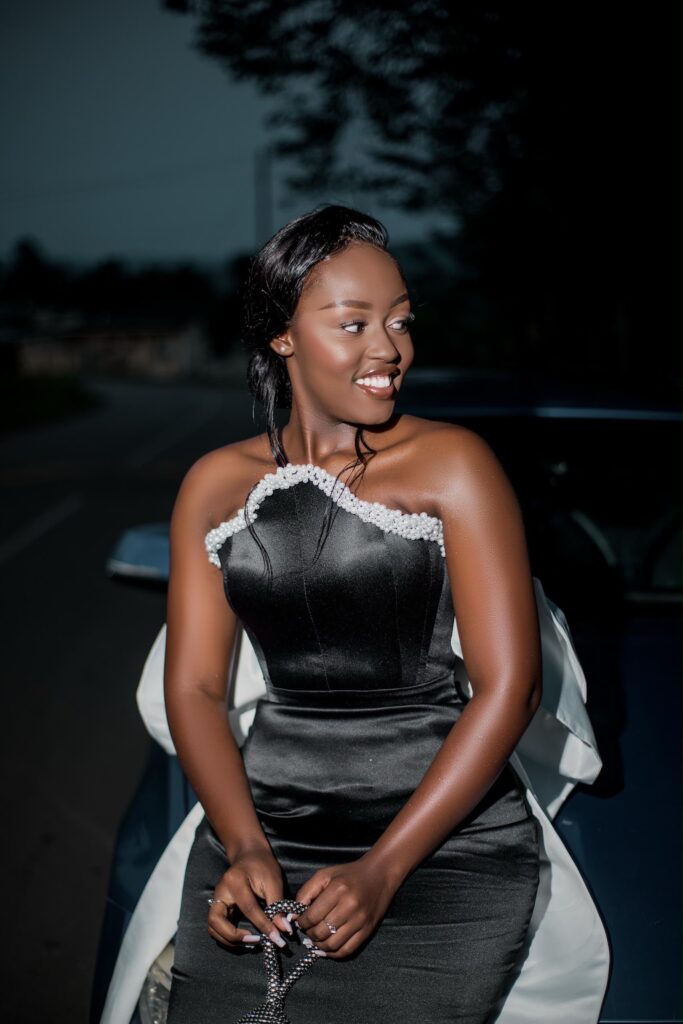
Corsets remain one of the most recognisable pieces associated with the fashion house. They also hold a special place in its journey, having been the starting point of Masuku’s interest in sewing. Other designs include conical dresses, palazzo pants and gathered puff sleeves.
However, the design process goes beyond creating garments that simply look beautiful. Masuku places particular importance on functionality, believing that clothing should deliver what its design promises.
“If I make a corset, for example, it should provide the structure and shaping expected of a corset. It is not enough for something to simply look beautiful. The construction has to deliver on the design.”
This attention to construction is also reflected in the finishing of the garments, an aspect she takes pride in and regularly receives compliments on from clients.
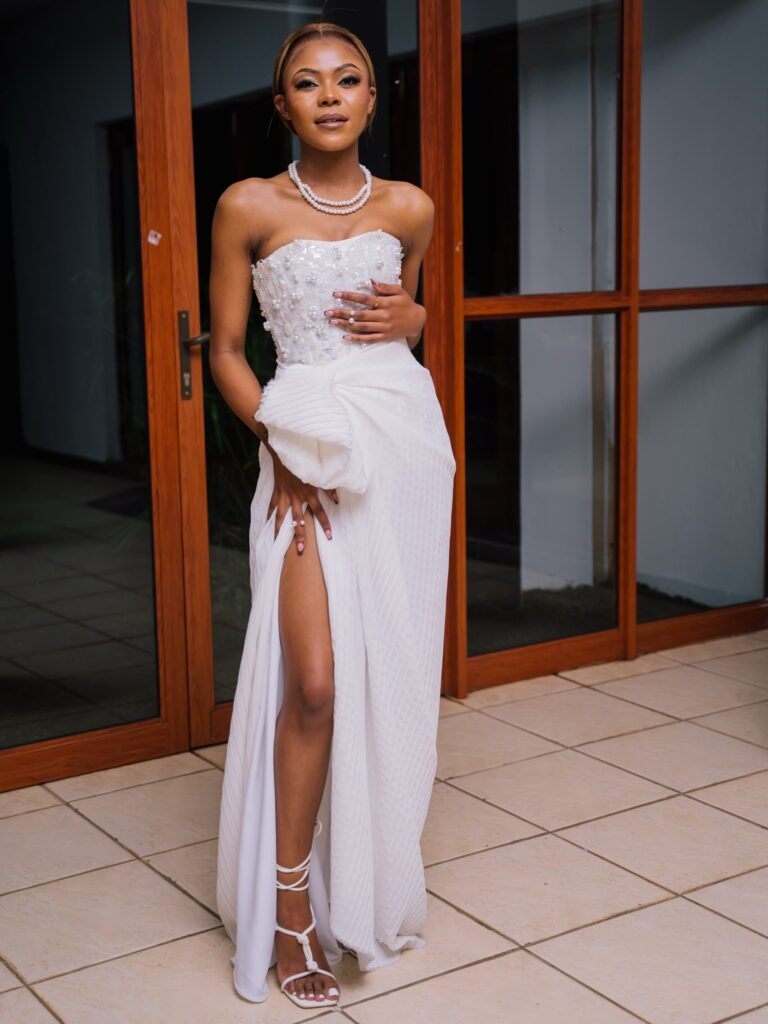
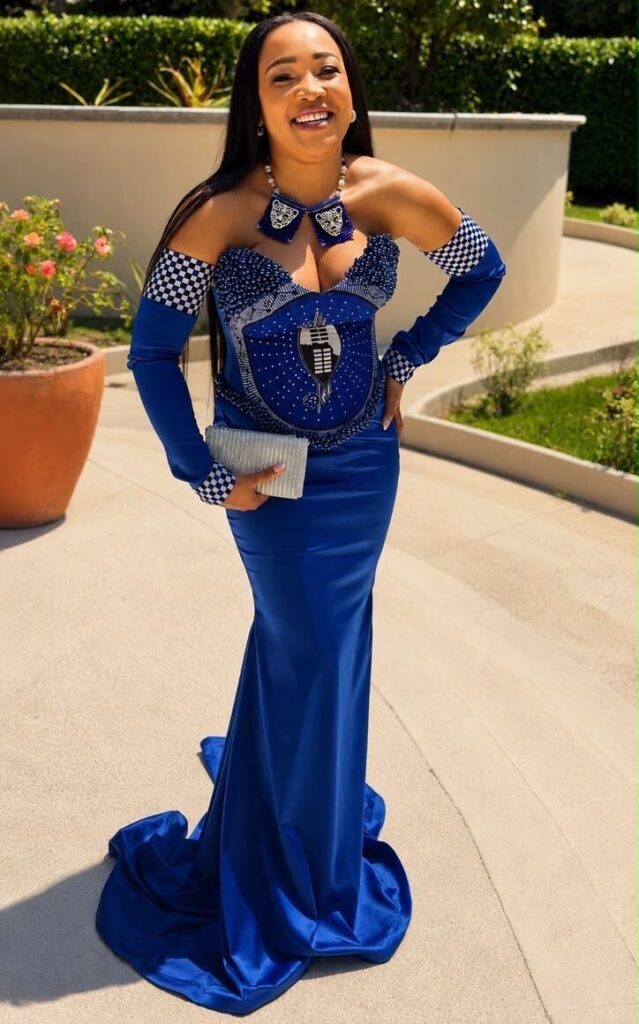
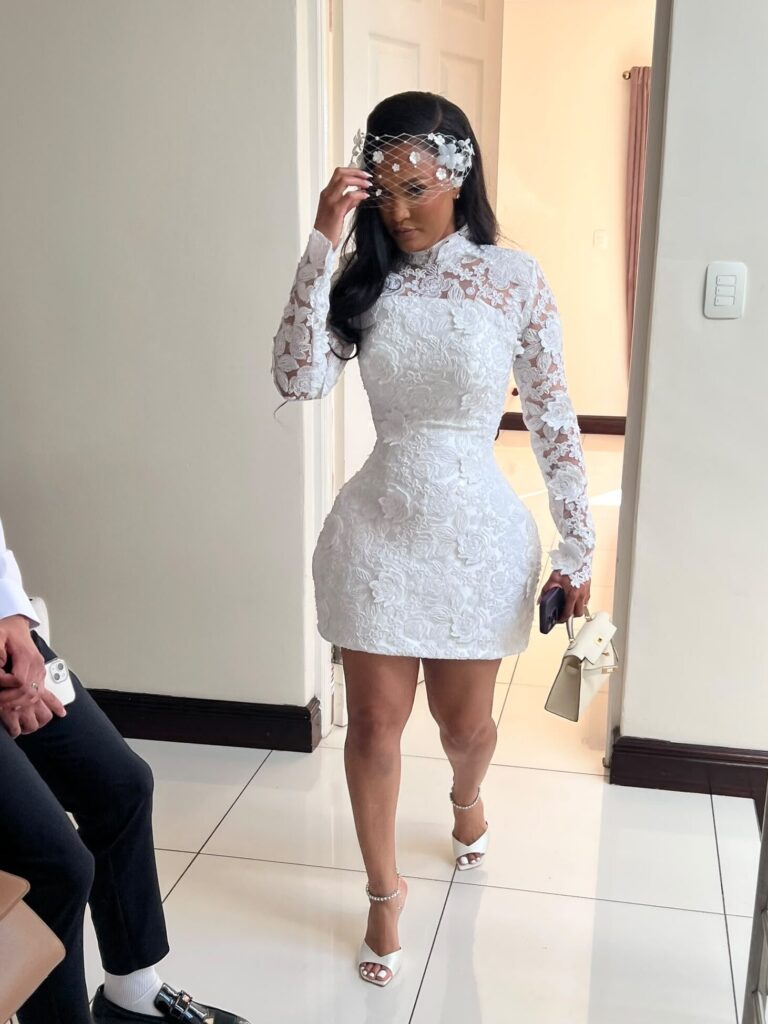
Inspiration for The House of Dandy comes from various places, including beautiful objects, images, and other creative influences. Sometimes an idea begins with something Masuku sees, but the final garment may look completely different from the original inspiration.
The creative process often involves experimenting with fabric and construction until the design develops its own identity. Nigerian fashion designers are also among her influences, particularly their approach to creativity, silhouettes, and statement fashion.
Another interesting part of the fashion house’s design direction is its exploration of traditional and contemporary fashion. Rather than reproducing traditional clothing in its original form, Masuku enjoys incorporating cultural elements into modern garments. One example is the use of lihiya in a corset dress, bringing an element of traditional Swazi attire into a contemporary silhouette.
For her, this creates an opportunity to explore how cultural identity can influence modern fashion while allowing room for experimentation.
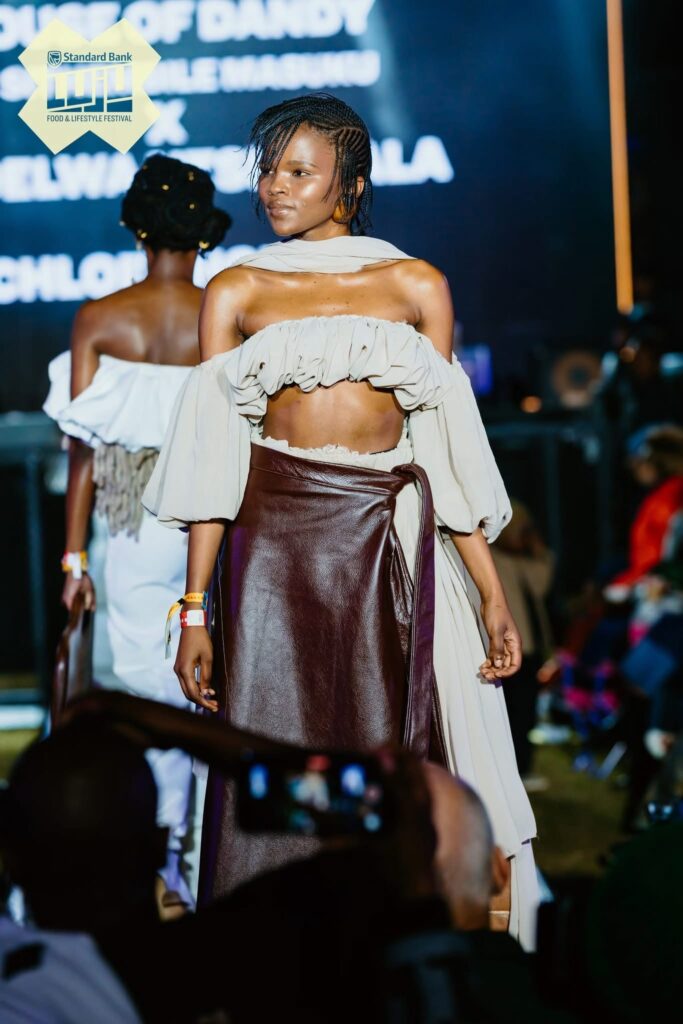
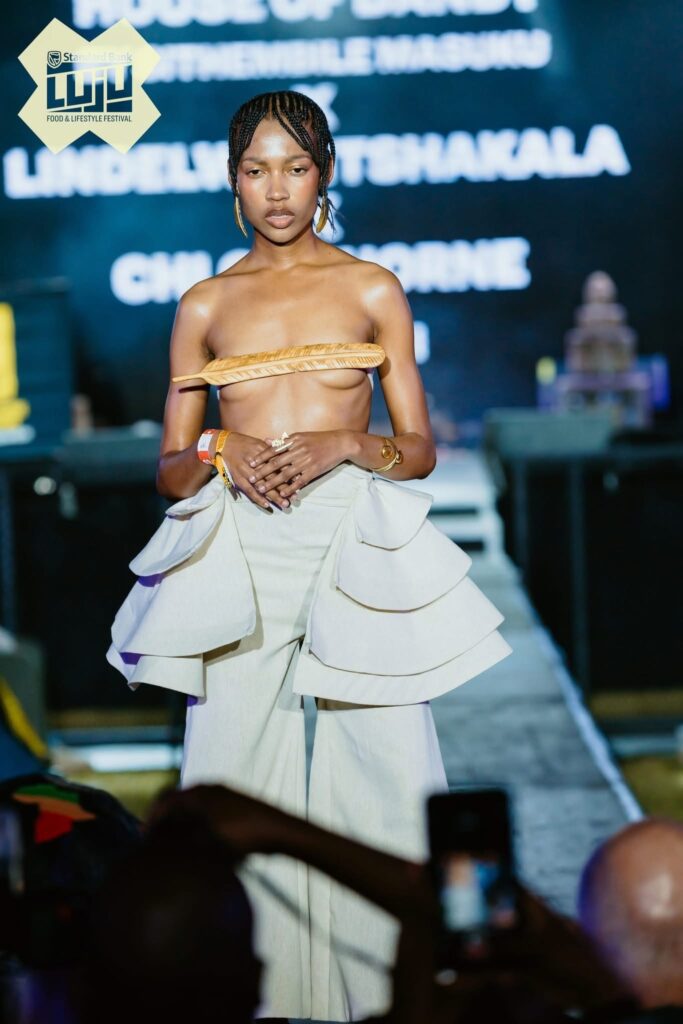
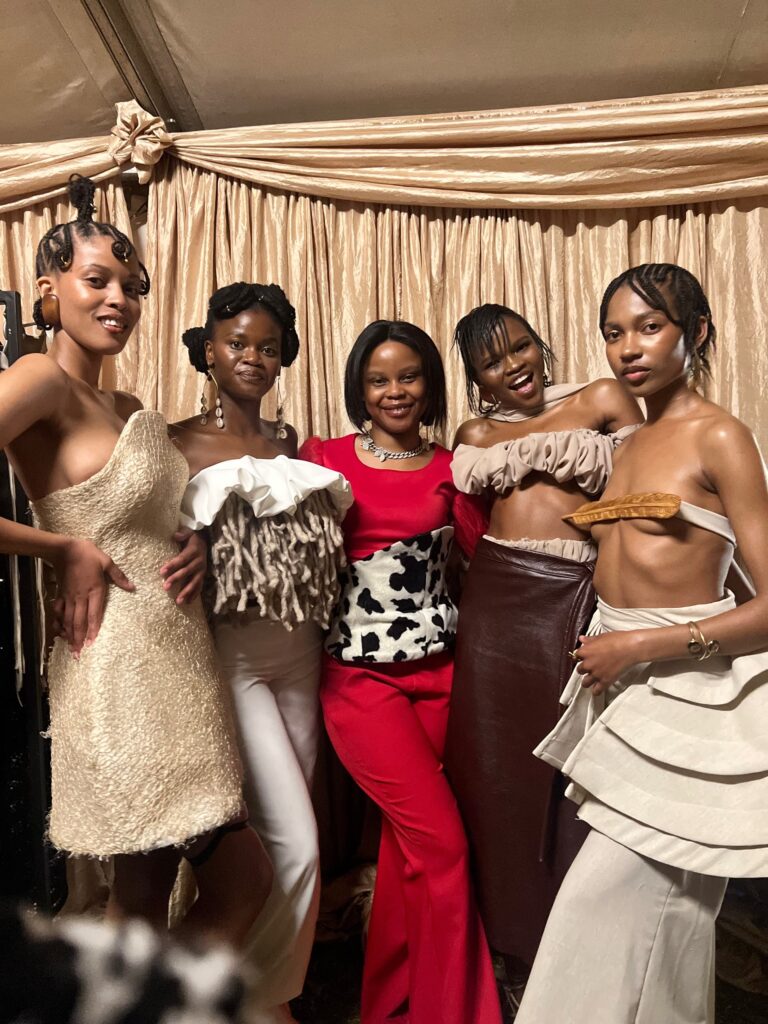
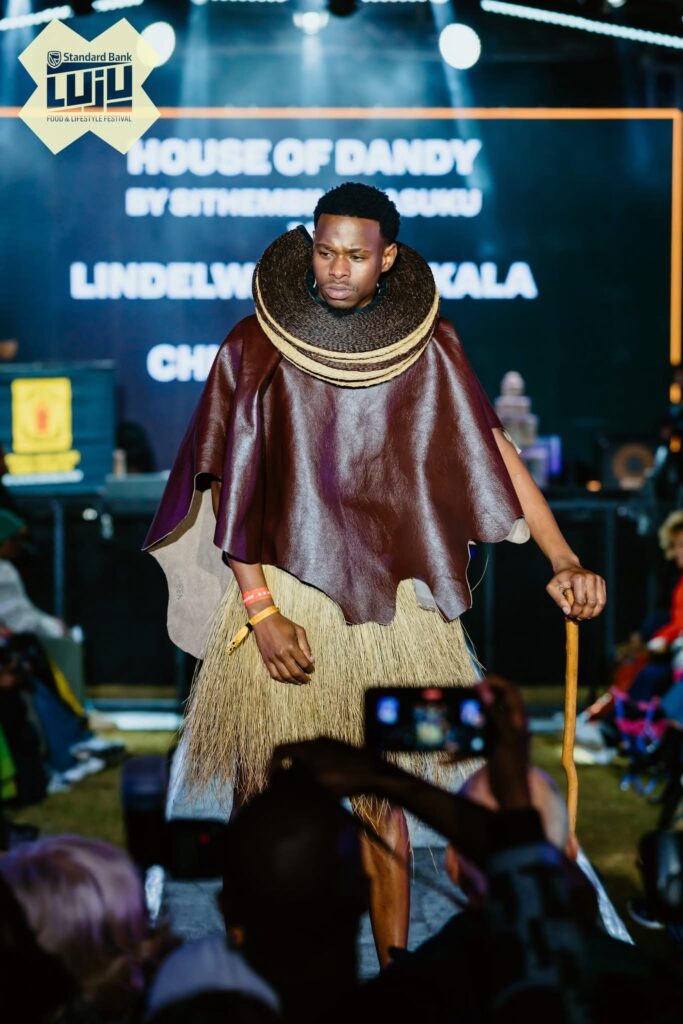
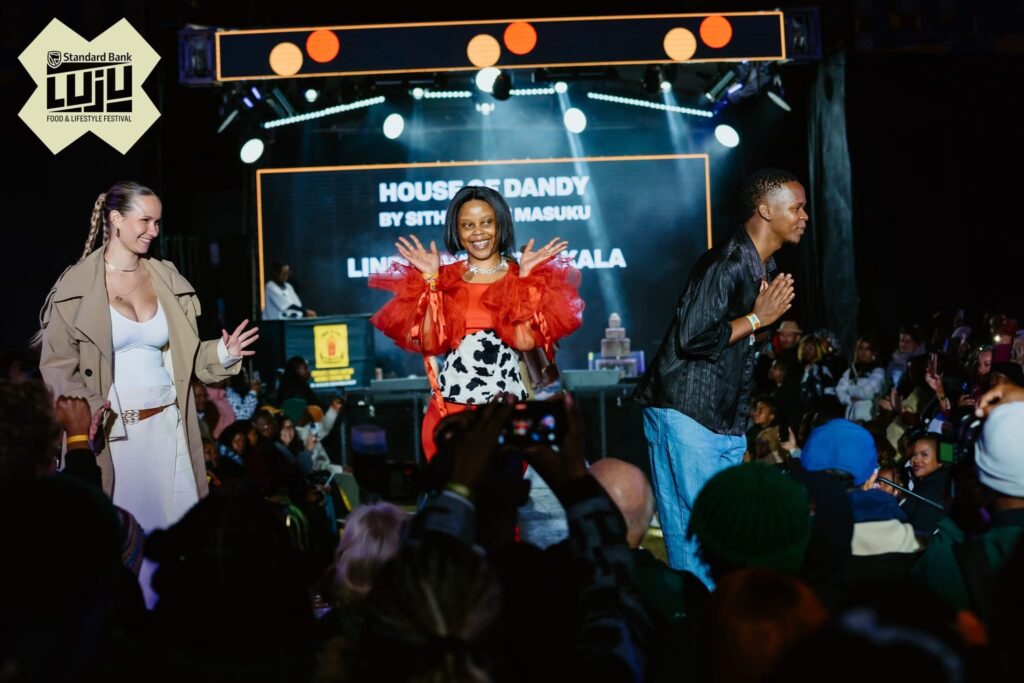
An important milestone for The House of Dandy was participating in the 2025 Luju Food and Lifestyle Festival fashion programme.
The showcase was a collaborative initiative involving Chloe Thorne and Lindelwa from KoKo. Masuku’s contribution focused mainly on executing and constructing the garments, undertaking all the sewing for the showcase.
The experience gave her an opportunity to work alongside other creatives, contribute her technical skills and become part of a larger creative vision. It also taught her valuable lessons about marketing, professional presentation and collaboration.
Beyond her own experience, Masuku believes fashion showcases and creative platforms play a significant role in developing Eswatini’s fashion industry. She would like to see fashion receive more consistent attention, investment, and recognition within the country’s creative industries.
“There is talent in Eswatini, but designers need opportunities to develop and showcase that talent.”
She believes the country needs more fashion events, programmes and initiatives that bring designers together, provide access to resources and encourage collaborations. A more consistent fashion calendar would also give local designers opportunities to develop their work and reach wider audiences.
Growing Beyond the Founder
Running The House of Dandy has taught Masuku that building a fashion brand involves much more than designing and making clothes. Along the way, she has had to learn about marketing, accounting, management, client relations, and professionalism.
Some of the challenges have included working with limited financial resources, sourcing materials and finding people who can assist with production. Working with clients has also required patience and flexibility, particularly when balancing their expectations with available budgets.
“Creativity alone cannot sustain a business. You must develop the business skills and discipline to support the creative vision,” she explains.
Looking ahead, the fashion house is working on developing a wedding gown catalogue, while a ready-to-wear line is also among the possibilities being explored.
Masuku’s bigger ambition is to establish The House of Dandy as an internationally recognised fashion house, with an established atelier, a team of designers and clients beyond Eswatini. She also hopes to grow the business to a point where it can provide consistent work and employment opportunities for other creatives.
Ultimately, she wants the brand to be associated with luxury, exceptional craftsmanship and a distinct creative identity, while contributing to putting Eswatini on the fashion map.
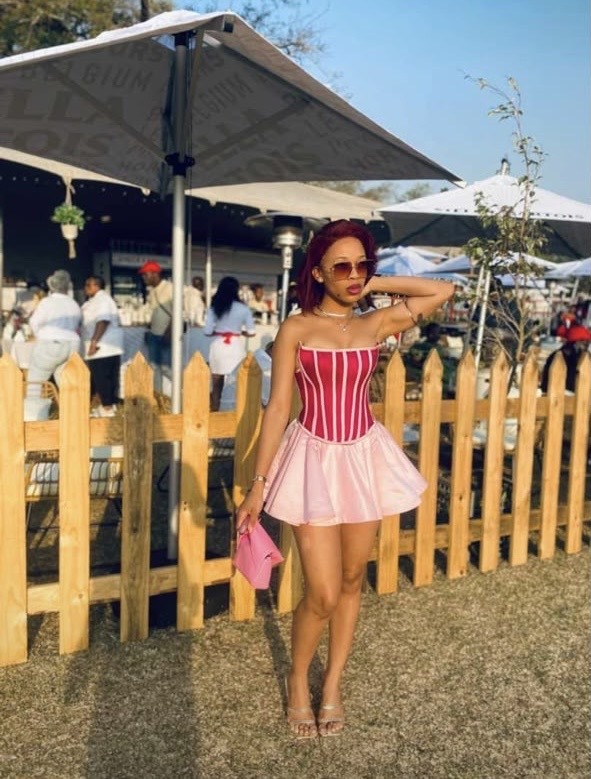
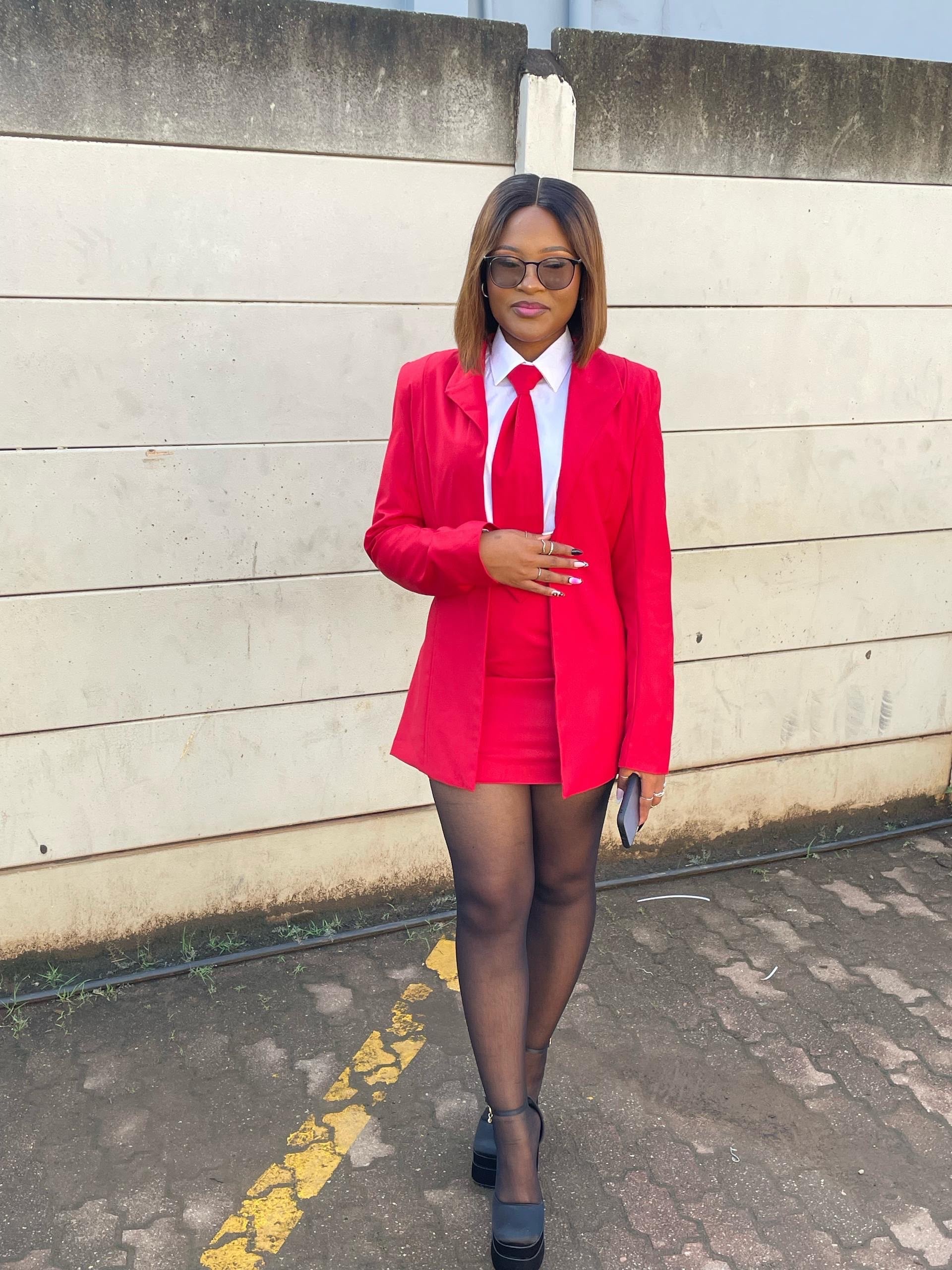
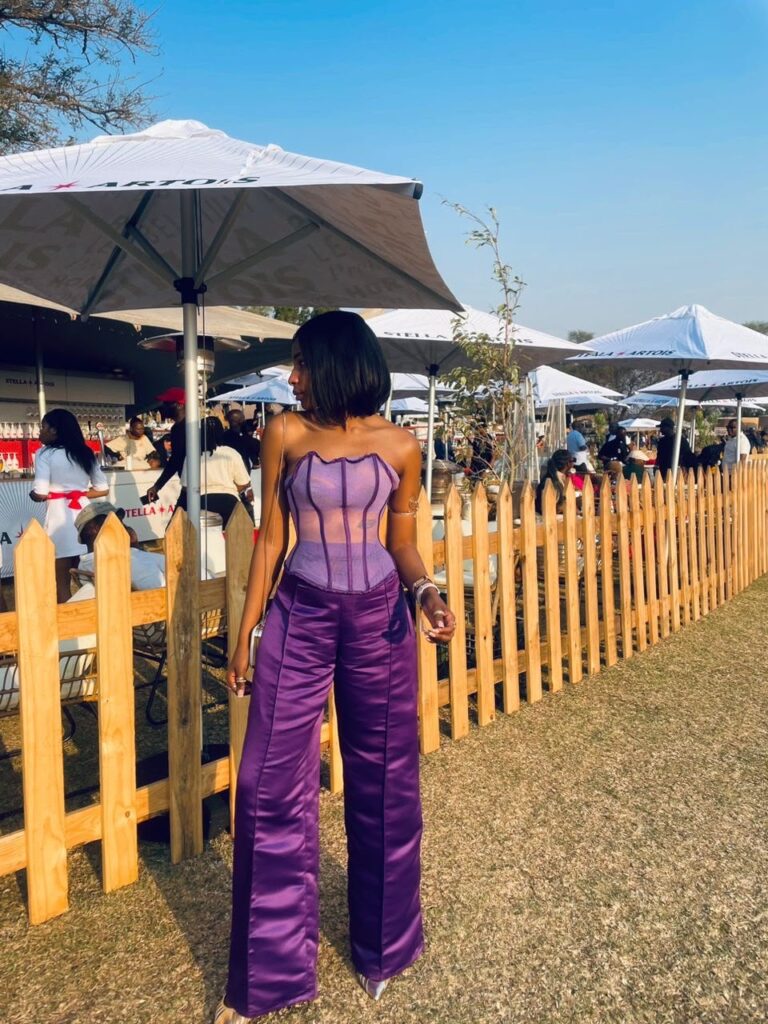
For anyone wearing a House of Dandy creation, the experience should extend beyond the garment itself. Masuku wants clients to feel confident and beautiful, appreciate the individuality of their pieces and enjoy the work that goes into making them.
“Fashion, to me, is life and freedom. It’s a way of expressing yourself, exploring your individuality and presenting yourself to the world without limitations.”
It is this philosophy that continues to guide The House of Dandy as it develops its place in Eswatini’s fashion industry. The House of Dandy currently focuses primarily on bespoke and couture fashion, creating garments around individual clients, their preferences, and the occasions they are dressing for.
The custom process begins with an enquiry through a phone call or message. The client’s ideas are discussed, followed by decisions on the design direction and fabric selection. Fittings and any necessary alterations are then arranged before the finished garment is delivered.




For someone purchasing their first piece from the fashion house, Masuku recommends starting with a corset. It offers a good introduction to the brand’s approach to structure, shape and craftsmanship.
Customers can view the fashion house’s work and enquire about custom orders through its social media platforms, particularly Instagram.
While bespoke and couture remain its primary focus, Masuku is also interested in expanding into ready-to-wear fashion as the business develops.